


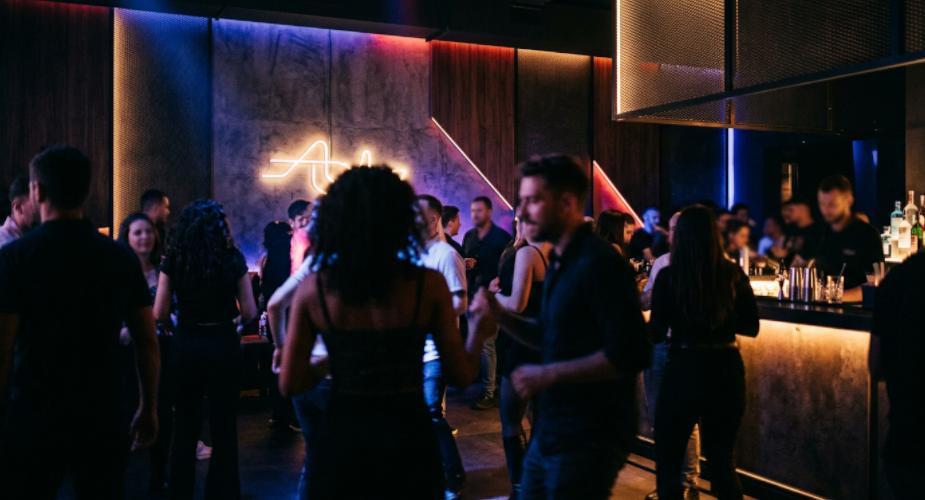
Nightclubs are designed to create experiences. From the moment guests walk through the entrance, the architecture, lighting, textures, furniture, and visual features all contribute to the atmosphere of the venue. In a competitive nightlife market, a distinctive interior can become a defining part of a club’s identity.
Behind many memorable nightlife environments are custom-fabricated features that transform creative concepts into physical spaces. Dramatic bars, sculptural ceilings, specialty walls, custom DJ booths, oversized artwork, and architectural elements can help turn an ordinary interior into an immersive entertainment destination.
Nightclub fabrication is the process of designing, engineering, and building custom physical features for nightclubs, lounges, entertainment venues, and hospitality environments. These projects often combine multiple materials and fabrication disciplines to create spaces that are visually distinctive while supporting the practical demands of a busy venue.
For nightclub owners, hospitality developers, architects, interior designers, and entertainment groups, custom fabrication provides the flexibility to create an environment that reflects a specific brand and guest experience.
What Is Nightclub Fabrication?
Nightclub fabrication involves the custom production of physical elements that contribute to a venue’s appearance, functionality, and overall atmosphere.
Unlike standard furniture, decorative products, or off-the-shelf architectural components, custom-fabricated features are developed around the specific dimensions, design concept, and operational requirements of a space.
A fabrication company may work from architectural plans, interior design renderings, concept art, reference photographs, 3D models, or an early creative idea.
Common nightclub fabrication projects include:
- Custom bars and back bars
- DJ booths and performance structures
- Decorative walls and architectural features
- Custom ceilings and overhead elements
- Sculptures and large-scale decorative installations
- Specialty furniture and seating features
- VIP areas and custom partitions
- Branded displays and dimensional signage
- Custom columns, facades, and wall treatments
- Specialty metalwork and decorative structures
Some projects involve a single statement feature, while others require dozens of custom elements that work together to create a complete interior environment.
Why Custom Fabrication Matters in Nightclub Design
Nightclubs compete on more than music and entertainment. Their physical environments help establish their identity, shape the guest experience, and create memorable visual moments.
Custom fabrication gives designers and venue owners more control over how a space looks and feels.
Creating a Distinctive Venue Identity
A nightclub’s interior can become one of its most recognizable characteristics. Custom architectural features, sculptural installations, unique materials, and signature design elements help distinguish one venue from another.
A dramatic entrance, oversized centerpiece, custom bar, or distinctive ceiling feature can give a venue a recognizable visual identity.
These elements can also become part of the club’s branding and marketing, appearing in promotional photography, social media, and event coverage.
Building Immersive Environments
Some nightlife concepts call for more than traditional interior decoration. They require a coordinated environment in which walls, ceilings, bars, furniture, lighting features, and decorative elements work together.
Custom fabrication can help bring these environments to life through dimensional structures, specialty finishes, sculptural details, and themed architectural features.
Supporting the Guest Experience
A nightclub needs to function as well as it looks. Guests move between entrances, bars, dance floors, lounges, VIP areas, and other spaces throughout the venue.
Custom counters, partitions, furniture, and architectural features can help define these areas while supporting the intended layout and atmosphere.
Creating Memorable Visual Features
Large-scale sculptures, unusual shapes, custom DJ booths, and dramatic architectural details can become focal points within a venue.
These features help establish the visual character of the space and give guests something distinctive to remember.
Common Applications of Nightclub Fabrication
Nightclubs can incorporate a wide range of custom-fabricated features depending on their concept, size, layout, and entertainment programming.
Custom Bars and Back Bars
The bar is often one of the most important features of a nightclub. It is both a functional service area and a major visual component of the interior.
Custom fabrication can produce unique bar fronts, decorative structures, specialty shelving, illuminated features, custom counters, and dimensional architectural details.
Back bars can also be designed as visual focal points, incorporating layered materials, custom metalwork, sculptural shapes, and provisions for lighting and display systems.
A successful bar build needs to account for more than appearance. Equipment, plumbing, refrigeration, storage, staff access, cleaning, and maintenance requirements should be coordinated with the appropriate design and construction professionals.
DJ Booths and Performance Areas
The DJ booth often serves as the visual center of a nightclub. Custom fabrication can transform this area into a distinctive architectural feature that complements the venue’s overall design.
Potential features include:
- Sculptural DJ booth facades
- Custom metal frameworks
- Dimensional decorative panels
- Specialty counters and equipment housings
- Integrated display and lighting provisions
- Raised performance platforms
- Branded architectural features
These builds may be designed to accommodate specific equipment, sightlines, cable routing, and access requirements.
Feature Walls and Architectural Elements
Custom walls and architectural features can establish the character of a nightclub throughout the interior.
Fabricated elements may include decorative wall panels, dimensional surfaces, columns, arches, specialty partitions, textured features, and custom facades.
These components can be made from wood, metal, fiberglass, foam, plastics, and other materials depending on the desired appearance and application.
Sculptures and Oversized Decorative Features
Large sculptures and custom decorative installations can create dramatic focal points within a nightlife environment.
Examples include:
- Oversized figures and characters
- Abstract sculptural forms
- Themed decorative installations
- Custom ceiling sculptures
- Dimensional wall artwork
- Large branded features
- Specialty decorative objects
Foam sculpting, robotic CNC carving, fiberglass fabrication, metalwork, and 3D printing can all contribute to producing these elements.
VIP Areas and Lounge Features
VIP spaces often require a different visual character from the main dance floor. Custom seating features, decorative dividers, counters, partitions, and architectural details can help create a more intimate environment.
Fabricated components can also help define individual seating areas while maintaining consistency with the larger interior design.
Entrances and Signature Features
The entrance establishes the first impression of a venue. Custom doors, portals, architectural surrounds, decorative facades, and oversized visual features can help create a memorable arrival experience.
Some clubs also incorporate signature installations near entrances or throughout the interior that reinforce the venue’s identity.
Custom Ceilings and Overhead Features
Ceilings provide opportunities to introduce large-scale visual elements that change the way guests experience a room.
Custom ceiling panels, suspended decorative forms, dimensional structures, and specialty architectural treatments can add depth and visual interest.
Overhead installations require careful coordination with structural support, lighting, audiovisual equipment, sprinklers, fire protection systems, and maintenance access. Attachment methods and loads should be reviewed by qualified professionals before installation.
Materials Used in Nightclub Fabrication
Nightclub interiors often combine several materials to achieve a particular appearance, texture, weight, durability, and finish.
The right selection depends on the design, location within the venue, expected use, maintenance requirements, and applicable building and fire-safety standards.
Metal Fabrication
Metal is commonly used for structural frameworks, decorative structures, custom bar components, architectural details, specialty furniture, and support assemblies.
Steel and aluminum can be cut, formed, welded, and assembled into custom shapes. Metal can also be finished in a variety of ways to create polished, brushed, painted, textured, or industrial appearances.
Carpentry and Millwork
Wood and engineered wood products are frequently used for custom bars, cabinetry, counters, wall panels, decorative features, furniture, and architectural details.
Custom carpentry and millwork provide flexibility when creating finished surfaces, unique shapes, and functional components that integrate into the overall interior.
Fiberglass Fabrication
Fiberglass is useful for creating lightweight, durable forms with complex contours and smooth finished surfaces.
It can be used for sculptural elements, decorative shells, specialty architectural features, custom shapes, and themed installations.
Fiberglass components can be painted, textured, and finished to achieve a wide range of appearances.
Foam Sculpting and CNC Foam Carving
Foam is a versatile material for producing large decorative shapes, dimensional features, oversized sculptures, and specialty forms.
CNC and robotic foam carving technology can produce complex geometry from digital models. Carved pieces can then be coated, reinforced, and finished according to their intended application.
Foam components must be selected and treated appropriately for their intended location and use. Decorative materials in public assembly spaces may be subject to specific fire-performance requirements.
3D Printing and Digital Fabrication
3D printing allows fabricators to produce detailed components, specialty shapes, prototypes, and complex decorative parts.
CNC routing and laser cutting can also produce precise panels, patterns, dimensional lettering, and other custom components.
These technologies can be especially useful when a design includes intricate details, unusual geometry, or multiple pieces that need to fit together accurately.
Specialty Finishing
Finishing helps establish the final appearance of a fabricated feature.
Paint, coatings, textures, simulated materials, metallic effects, and other surface treatments can create the look of stone, concrete, metal, wood, or entirely imaginative materials.
Finishing also needs to account for the environment. High-touch surfaces, bar areas, and other heavily used features may require different coatings and maintenance considerations than decorative elements located out of reach.
The Role of Technology in Modern Nightclub Fabrication
Modern fabrication technology allows designers and fabricators to explore shapes, structures, and details that can be difficult to produce through conventional construction alone.
Digital design tools can help translate creative concepts into accurate fabrication plans and make it easier to coordinate multiple components.
3D Modeling and Design Development
Three-dimensional modeling can help visualize custom features before fabrication begins.
Models can be used to evaluate dimensions, proportions, component relationships, and potential construction challenges.
This can be particularly useful for complex bars, sculptural installations, custom architectural elements, and large coordinated builds.
CNC and Robotic Fabrication
CNC routing, laser cutting, and robotic foam carving allow fabricators to produce precise components and complex shapes.
These technologies can support dimensional panels, specialty patterns, sculptural forms, and repeatable components.
3D Printing and Prototyping
3D printing can produce prototypes, custom decorative components, models, and specialty details.
It can also help validate an unusual design before committing to a larger or more expensive fabrication process.
Technology does not replace craftsmanship. It gives skilled fabricators additional tools to produce complex designs with accuracy and consistency.
Important Considerations When Planning a Nightclub Fabrication Project
Nightclubs are active public venues with unique operational demands. A successful fabrication project needs to account for the visual concept as well as the environment in which the finished pieces will be used.
Design and Brand Identity
The fabricated elements should support the overall design direction and brand identity of the venue.
Concept art, reference images, architectural plans, finish samples, and 3D renderings can help communicate expectations before production begins.
Lighting and Audiovisual Coordination
Nightclub environments frequently incorporate dynamic lighting, video displays, speakers, and other audiovisual equipment.
Fabricated features should be coordinated with these systems so that equipment placement, cable routing, access, and maintenance requirements are understood.
Durability and Maintenance
Nightclubs experience high levels of foot traffic, frequent cleaning, and repeated use. Materials and finishes should be selected with the venue’s operating conditions in mind.
Bars, counters, seating features, and surfaces that guests regularly touch may require greater durability and easier maintenance than purely decorative pieces.
Acoustics and Sound
Custom architectural features and interior materials can influence how sound behaves within a venue.
Acoustic performance should be considered alongside the overall design, particularly when a project includes wall treatments, ceiling features, partitions, or other large interior surfaces.
Acoustic isolation and sound-system design should be coordinated with qualified specialists rather than assumed to be solved through decorative fabrication alone.
Fire Safety and Building Requirements
Nightclubs are public assembly environments, so materials, decorative finishes, structures, and installations must comply with applicable building and fire-safety requirements.
This may include requirements for interior finishes, flame spread, smoke development, structural support, accessibility, and unobstructed exit routes.
The appropriate requirements depend on the jurisdiction, occupancy, location, and specific application. Materials and installation details should be reviewed by the project’s design professionals and relevant authorities before fabrication and installation.
Construction Schedule and Installation
Nightclub projects often involve renovation schedules, opening dates, and coordination with multiple contractors and trades.
Fabrication timelines should account for design approvals, material sourcing, construction, finishing, delivery, and any required installation work.
Assembly, transportation, and on-site installation should be discussed as part of the project scope rather than assumed to be included in every fabrication proposal.
Choosing the Right Nightclub Fabrication Company
The right fabrication partner should understand both the creative and practical demands of nightlife environments.
When evaluating a company, consider:
- Range of capabilities: Can the shop work with metal, wood, fiberglass, foam, and other materials?
- Design and modeling: Can the team help develop concepts and evaluate complex shapes?
- Technology: Does the company have access to CNC equipment, robotic carving, laser cutting, and 3D printing?
- Craftsmanship: Does its portfolio demonstrate quality construction and detailed finishing?
- Project coordination: Can the team work with designers, architects, contractors, and other trades?
- Experience with complex builds: Can the company handle large-scale features and multi-material projects?
- Communication: Does the team clearly define scope, schedules, responsibilities, and project requirements?
A fabrication shop with several disciplines under one roof may offer an advantage when a project requires multiple materials and construction methods.
Nightclub Fabrication at Statement Fabrication
Statement Fabrication is a Las Vegas-based custom fabrication company with capabilities suited to distinctive hospitality, entertainment, and commercial environments.
Our team brings together metal fabrication, welding, carpentry and millwork, fiberglass fabrication, foam sculpting, CNC foam carving, 3D modeling, 3D printing, and specialty finishing.
This combination allows us to approach projects that require different materials and fabrication processes. From custom bar features and sculptural installations to dimensional architectural elements and specialty structures, we work to turn creative concepts into physical builds.
We understand that every venue has its own identity, design requirements, and operational considerations. Our goal is to collaborate with project teams to understand the vision and determine a fabrication approach that supports the finished environment.
Whether you are developing a new nightclub, renovating an existing venue, or creating a signature feature, Statement Fabrication is ready to discuss the possibilities.
Have a nightclub or hospitality project that needs custom fabrication? Contact Statement Fabrication and let’s talk about what we can build together.
Frequently Asked Questions About Nightclub Fabrication
What is nightclub fabrication?
Nightclub fabrication is the custom design and construction of bars, architectural features, sculptures, furniture, and specialty elements for nightlife venues.
What can a nightclub fabrication company build?
A fabricator can build custom bars, DJ booths, feature walls, ceilings, sculptures, counters, decorative structures, and specialty architectural elements.
What materials are used in nightclub interiors?
Common materials include metal, wood, fiberglass, foam, plastics, and specialty finishes, selected according to the design and application.
Can custom bars be fabricated for nightclubs?
Yes. Custom fabrication can produce bar fronts, counters, back bars, shelving structures, decorative features, and specialty components.
Can large sculptures be made for nightclub interiors?
Yes. Foam carving, fiberglass, metal fabrication, and 3D printing can be used to create large custom sculptural features.
Can nightclub features incorporate lighting and audiovisual equipment?
Yes. Fabricated features can be designed around lighting and audiovisual systems, with appropriate coordination for wiring, equipment, access, and installation.
What is CNC foam carving used for in nightclub fabrication?
CNC foam carving produces dimensional shapes, oversized sculptures, decorative forms, and complex architectural details from digital designs.
Do nightclub materials need to meet fire-safety requirements?
Yes. Materials and finishes used in public assembly spaces may be subject to specific building and fire-safety requirements.
Can one fabrication company handle multiple nightclub features?
Yes. A multidisciplinary fabrication shop can combine metalwork, carpentry, fiberglass, foam sculpting, 3D printing, and finishing.
Does Statement Fabrication work on custom nightclub projects?
Statement Fabrication offers custom fabrication capabilities for hospitality, entertainment, scenic, and other distinctive commercial environments.
Creating Nightlife Environments That Make a Statement
A nightclub’s physical environment is a major part of its identity. Custom bars, sculptural installations, architectural features, and specialty finishes can help transform a venue into a distinctive destination.
With the right combination of technology, materials, and craftsmanship, creative concepts can become physical features that define the guest experience.
Statement Fabrication brings together the capabilities and people needed to tackle ambitious custom fabrication projects.
Statement Fabrication — We Build Statements.