


An unforgettable experience often starts with an ambitious idea.
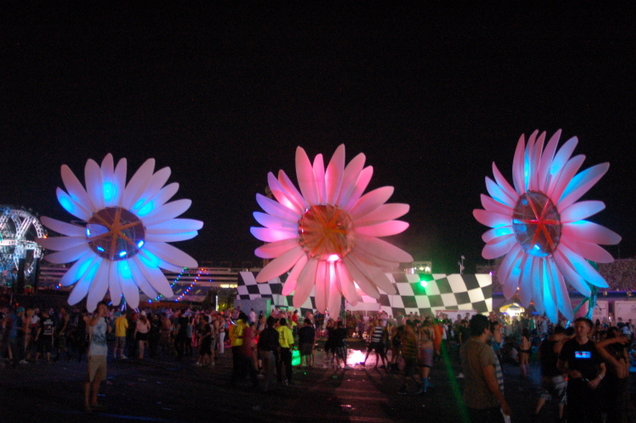
It might be a massive sculptural installation at a music festival, an immersive branded environment, a custom-built attraction, or an oversized product replica designed to capture attention at a major event.
But turning an ambitious concept into a physical experience takes more than creativity. It requires planning, technical knowledge, the right materials, specialized equipment, and a team capable of bringing multiple fabrication disciplines together.
Experiential fabrication is the process of translating those ideas into physical structures, scenic elements, interactive features, and immersive environments.
Every project has its own requirements, but understanding the steps involved can help event producers, brands, designers, and creative agencies plan more effectively and choose the right fabrication partner.
Step 1: Understanding the Experience
The first step is understanding what the project is intended to accomplish.
An experiential installation is not simply a collection of fabricated objects. Each element should contribute to the overall experience.
For example, a brand activation might be designed to encourage visitors to interact with a product. A festival installation might create a recognizable visual landmark. An immersive attraction might use custom structures and sculptural features to establish a particular environment.
Before fabrication begins, several questions should be addressed:
- What is the purpose of the experience?
- Who is the intended audience?
- What should visitors see, feel, or do?
- Where will the installation be located?
- How large will the fabricated elements need to be?
- How long will the installation remain in use?
- Will visitors interact directly with any components?
- What visual, technical, or functional requirements must be met?
- What are the budget and scheduling expectations?
These details establish the foundation for the fabrication plan.
The clearer the experience is at the beginning, the easier it becomes to determine what needs to be built.
Step 2: Developing the Concept Into a Fabrication Plan
Experiential projects frequently begin with creative concepts, renderings, sketches, reference images, or presentation materials.
The next step is understanding how those ideas can be translated into physical components.
A concept may look impressive in a rendering, but its actual production can involve challenges related to size, materials, geometry, transportation, assembly, and durability.
The fabrication team should review the concept and begin identifying:
- Which elements need to be fabricated
- Which materials may be appropriate
- Which manufacturing methods may be required
- How individual components will connect
- Which elements may need to be produced in sections
- Whether specialty finishes are required
- What additional technical resources may be needed
This is where creative ambition meets practical manufacturing.
The objective is not to limit the concept. It is to identify a realistic way to produce it while preserving the intended appearance and experience.
Step 3: 3D Modeling and Digital Development
Three-dimensional modeling is particularly valuable for experiential fabrication because projects often involve complex forms, unusual dimensions, and multiple components.
A digital model can provide a better understanding of the final installation before manufacturing begins.
It can help evaluate:
Scale and proportions: Large installations can look very different in a physical environment than they do in a rendering. Modeling helps communicate the intended size and relationships between components.
Component placement: Multiple fabricated elements may need to fit together or occupy specific locations within a larger installation.
Geometry: Unusual shapes and sculptural forms can be evaluated before they are manufactured.
Manufacturing requirements: Digital models can help determine how individual components may be produced using CNC cutting, laser processing, 3D printing, or other methods.
Production planning: The model can help identify where components may need to be divided into sections for manufacturing or transportation.
The level of modeling required depends on the project. Some installations may need detailed digital development, while simpler components may only require accurate drawings and dimensions.
Step 4: Evaluating the Site and Event Requirements
Experiential installations are often created for specific venues, event spaces, festivals, or commercial environments.
The physical location can influence almost every part of the fabrication process.
Important considerations may include:
- Available space and dimensions
- Ceiling heights and overhead limitations
- Access routes and door openings
- Floor conditions and mounting surfaces
- Indoor or outdoor exposure
- Weather and environmental conditions
- Expected audience movement
- Required clearances
- Transportation and handling limitations
- Venue or event-specific requirements
For outdoor events, exposure to wind, sunlight, moisture, temperature changes, and other environmental conditions may influence material selection and design.
Large structures may also require review by appropriately qualified structural professionals and compliance with applicable venue and local requirements.
These considerations should be identified early and coordinated with the appropriate project partners.
Step 5: Selecting Materials and Manufacturing Methods
Material selection is one of the most important decisions in experiential fabrication.
The right materials depend on the appearance, scale, weight, durability, intended lifespan, and physical requirements of the installation.
A large sculptural feature may benefit from foam and fiberglass, while a custom scenic structure may require a metal framework combined with millwork and specialty finishes.
Common materials include:
Metal
Steel and aluminum can be used for structural frameworks, supports, platforms, decorative features, and custom components.
Metal fabrication may involve laser cutting, tube laser processing, forming, welding, and assembly.
Foam
Foam is useful for large sculptural forms, oversized props, dimensional features, and custom shapes.
CNC foam carving and robotic cutting can produce complex geometry from digital models.
Fiberglass
Fiberglass is commonly used for custom sculptural components, curved surfaces, specialty props, and features requiring unique shapes.
Wood and Millwork Materials
Wood and engineered materials can be used for scenic walls, platforms, counters, display structures, decorative features, and specialty furniture.
Plastics and Specialty Materials
Plastics and other specialty materials can provide additional options for custom components, decorative surfaces, and unique design elements.
The final fabrication plan may combine several of these materials to achieve the intended result.
Step 6: Manufacturing the Individual Components
Once the design, materials, and production requirements are established, fabrication can begin.
This is where the concept becomes a collection of physical components.
Depending on the project, several manufacturing disciplines may be involved.
Metal Fabrication
Metal components may be laser cut, formed, welded, and assembled to create frameworks, platforms, supports, scenic structures, and decorative elements.
Precision manufacturing equipment helps produce accurate parts, while experienced fabricators handle the assembly and detail work.
CNC Foam Sculpting
Foam sculpting is particularly useful for projects involving large or complex shapes.
CNC and robotic cutting equipment can produce dimensional forms from digital models, helping create oversized props, sculptures, scenic features, and specialty components.
Fiberglass Fabrication
Fiberglass can be used to create custom curved surfaces, sculptural elements, and specialty components.
It is particularly useful when the design requires a shape or finish that would be difficult to achieve using more conventional materials.
Carpentry and Millwork
Carpentry and millwork can produce platforms, scenic walls, display structures, counters, and custom architectural elements.
These components may be combined with metal, foam, fiberglass, and other materials to create a complete installation.
3D Printing
3D printing can support prototypes, custom details, intricate components, and specialty parts.
It provides another manufacturing option when a design includes smaller elements or shapes that are difficult to produce using traditional processes.
Step 7: Integrating Different Fabrication Disciplines
One of the defining characteristics of many experiential projects is that they require multiple fabrication methods to work together.
A large custom installation might include:
- A fabricated metal framework
- CNC-carved foam sculptural components
- Fiberglass surfaces
- Custom millwork
- Laser-cut decorative elements
- 3D-printed details
- Specialty coatings and finishes
Each component has its own manufacturing requirements, but the final installation must function as one cohesive design.
Coordination between fabrication disciplines is therefore essential.
The dimensions, connections, finishes, and relationships between components should be considered throughout production rather than treated as separate concerns.
This is one reason multi-disciplinary fabrication capabilities can be especially valuable for complex experiential projects.
Step 8: Finishing and Creating the Final Appearance
The finishing process helps transform fabricated components into the final visual elements of the experience.
Depending on the project, finishing may involve:
- Sanding and surface preparation
- Priming and painting
- Specialty coatings
- Fiberglass finishing
- Custom textures
- Decorative treatments
- Edge and detail work
- Final touch-ups
Experiential installations are often designed to attract attention and may be photographed or viewed from many angles.
The appearance of the finished surfaces, transitions, and details can have a major influence on the final result.
Finishing requirements should be established early so materials and fabrication methods can be selected appropriately.
Step 9: Reviewing Quality and Preparing for Assembly
Before components are considered complete, they should be reviewed against the agreed specifications and finish requirements.
For complex installations, it may be useful to verify that individual components fit together as intended.
Depending on the project and agreed scope, this may include:
- Reviewing dimensions
- Checking component alignment
- Evaluating surface finishes
- Confirming connections and interfaces
- Inspecting visible details
- Conducting pre-assembly or fit checks
Pre-assembly can be particularly useful when a project includes multiple sections or components that must come together at the event or final location.
For installations involving structural, electrical, mechanical, or interactive systems, the appropriate technical reviews and testing should be coordinated with qualified professionals.
Step 10: Planning for Transportation and the Final Installation
Experiential fabrication often involves installations that must be transported to a venue or event location.
The way a component is manufactured can influence how easily it can be handled, moved, and assembled.
For example, a large sculptural feature may need to be divided into sections to fit through access points or onto available transportation.
A custom scenic structure may require individual panels or components to be assembled at the final location.
Planning for these conditions early can help avoid unnecessary production changes.
Transportation, delivery, on-site assembly, and installation are not automatically included in every fabrication project. They should be discussed and defined according to the project’s requirements and agreed scope.
Why Experience and Problem-Solving Matter
Experiential fabrication often involves projects that are anything but ordinary.
Unusual shapes, oversized components, tight production schedules, multiple materials, and unique venue conditions can all create challenges.
A capable fabrication partner should be able to evaluate those challenges and identify practical ways to move the project forward.
This requires more than equipment.
It requires experienced people who understand materials, manufacturing processes, finishing techniques, and the importance of executing the details correctly.
The ability to adapt is especially important when the original concept requires a manufacturing approach that is not immediately obvious.
The Statement Fabrication Approach
Statement Fabrication is built around bringing ambitious concepts to life.
Our Las Vegas facility combines multiple fabrication disciplines, including metal fabrication, carpentry and millwork, fiberglass, CNC foam sculpting, 3D printing, laser cutting, and 3D modeling.
These capabilities allow us to approach experiential projects from different manufacturing perspectives and consider how individual components can work together to create a finished installation.
Our work in the live entertainment and scenic fabrication industries has exposed our team to projects where creativity, scale, and execution are equally important.
We have contributed to scenic work for major productions, including multiple EDC stages, along with projects associated with artists and entertainment brands.
We understand that no two ambitious projects are exactly alike. Each one brings its own design requirements, material considerations, and manufacturing challenges.
Our team is our greatest asset. We combine technology with the experience and craftsmanship needed to turn complex ideas into physical work.
We enjoy projects that push the limits of conventional fabrication and give us the opportunity to build something truly distinctive.
Frequently Asked Questions About the Experiential Fabrication Process
How long does experiential fabrication take?
Timelines depend on the project’s scale, complexity, design readiness, materials, finishes, and production requirements. Large scenic installations and multi-component environments generally require more planning and coordination than individual fabricated elements.
What information should I provide when starting an experiential fabrication project?
Helpful information includes concept images, renderings, drawings, dimensions, event or venue details, material preferences, intended use, schedule, budget, and any known technical requirements.
Why is 3D modeling important for experiential fabrication?
3D modeling helps visualize the installation, evaluate dimensions, coordinate components, and identify manufacturing considerations before production begins.
Can an experiential installation combine multiple materials?
Yes. Many installations combine metal, foam, fiberglass, wood, plastics, and specialty materials to achieve the desired appearance and functionality.
Can large-scale installations be manufactured in sections?
Yes. Depending on the design and transportation requirements, large components may be produced in multiple sections and assembled later. The connections and assembly requirements should be considered during design and fabrication planning.
Does experiential fabrication include lighting and interactive technology?
The physical fabrication can provide the structures and components that support these systems. Lighting, electronics, sensors, software, and other specialized technology may require additional vendors or technical partners.
Are outdoor experiential installations different from indoor projects?
Yes. Outdoor projects may require additional consideration of weather exposure, wind, moisture, sunlight, temperature, materials, and site-specific requirements. Structural and safety considerations should be reviewed by qualified professionals where applicable.
Does Statement Fabrication handle delivery and installation?
Delivery, transportation, assembly, and installation depend on the specific project and agreed scope. These requirements should be discussed during project planning.
Have an Ambitious Concept? Let’s Build It.
Experiential projects are often created to do something extraordinary: capture attention, engage an audience, introduce a brand, or create a moment people remember.
Turning those ideas into reality takes creativity, technology, craftsmanship, and a team that enjoys solving difficult fabrication challenges.
Statement Fabrication brings together the capabilities and experience to take on ambitious custom projects.
If you’re developing a festival installation, brand activation, immersive environment, product launch, or another unique experience, let’s talk about what it will take to bring it to life.
Statement Fabrication — We Build Statements.