



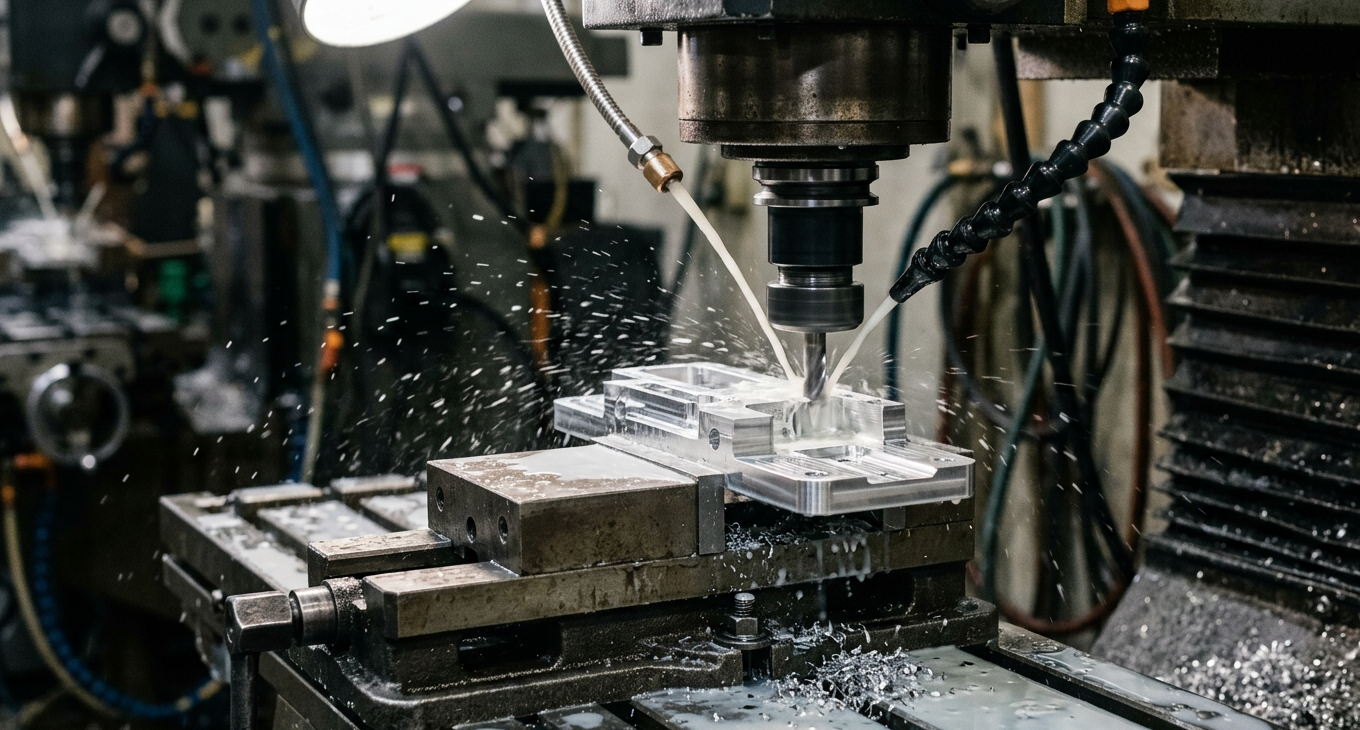
The Role of Fabrication in Aerospace
The aerospace industry depends on precision, consistency, and the ability to produce components that meet demanding technical requirements. From aircraft and spacecraft to ground-support equipment, testing systems, and specialized manufacturing tools, nearly every part of the industry relies on carefully engineered products and structures.
Aerospace fabrication plays an important role in bringing these products from an initial concept or engineering drawing into physical form. It involves the processes used to cut, form, machine, weld, assemble, and finish materials into components and structures designed for specific applications.
Unlike general-purpose manufacturing, aerospace-related projects often involve unique design requirements, specialized materials, tight tolerances, and detailed documentation. Even components that never leave the ground can require considerable precision because they support testing, production, maintenance, or other critical operations.
Understanding the different types of aerospace fabrication, the materials involved, and the considerations that influence manufacturing can help organizations make better decisions when developing new products or sourcing specialized components.
What Is Aerospace Fabrication?
Aerospace fabrication refers to the design-support, manufacturing, and assembly processes used to create components, structures, equipment, and specialized products for the aerospace industry.
The term covers a broad range of work. Some projects involve relatively small, detailed components, while others require large structures, custom enclosures, equipment frames, fixtures, or specialized assemblies.
Depending on the application, fabrication may involve:
- Cutting and forming sheet metal.
- Precision metal fabrication and welding.
- CNC machining and cutting processes.
- Structural fabrication and assembly.
- Custom brackets, mounts, and equipment supports.
- Prototypes and development models.
- Fiberglass and composite-related fabrication.
- Custom tooling, fixtures, and production aids.
- Finishing, coating, and surface preparation.
Not every aerospace project requires the same manufacturing processes. The right approach depends on the component’s intended use, material requirements, design specifications, operating environment, and applicable quality standards.
Common Aerospace Fabrication Applications
Aerospace fabrication supports much more than the components installed directly into an aircraft or spacecraft. It also supports the facilities, equipment, and processes used to develop, test, manufacture, and maintain aerospace products.
Aircraft Components and Specialized Assemblies
Aircraft manufacturing and maintenance involve a wide range of fabricated components and assemblies. Depending on the application and required qualifications, these may include brackets, housings, supports, panels, equipment mounts, and other specialized parts.
The geometry, material, strength, weight, and operating conditions all influence how a component should be manufactured.
Ground-Support Equipment
Ground-support equipment helps aerospace organizations perform operations outside the aircraft itself. This can include equipment used for maintenance, handling, transportation, inspection, and servicing.
Custom fabrication can be useful when standard equipment does not meet a particular operational requirement or when an organization needs a specialized solution for its facility or workflow.
Testing and Development Equipment
Testing is an essential part of aerospace product development. Engineers and manufacturers often require custom fixtures, frames, enclosures, mounts, and equipment assemblies to support testing procedures.
These products may need to accommodate specific instruments, components, access requirements, or environmental conditions.
Prototypes and Development Models
Before a product enters production, its design may need to be evaluated through physical prototypes. Fabrication and prototyping allow engineering teams to examine dimensions, fit, assembly, accessibility, and other design considerations.
A physical model can reveal challenges that may not be obvious in a digital design alone.
Manufacturing Fixtures and Tooling
Production environments often depend on specialized tooling to position, support, hold, or align components during manufacturing and assembly.
Custom fixtures can help improve repeatability and make specialized production processes more efficient. Their design must reflect the parts, equipment, and procedures they are intended to support.
Materials Used in Aerospace Fabrication
Material selection is one of the most important considerations in aerospace manufacturing. Different materials offer different combinations of strength, weight, durability, corrosion resistance, temperature performance, and manufacturability.
The appropriate material depends on the component’s purpose and engineering requirements.
Aluminum
Aluminum is widely used in aerospace applications because it offers a useful balance of strength, weight, and corrosion resistance. It can be fabricated into panels, brackets, housings, structural components, and other products.
Different aluminum alloys have different mechanical properties and manufacturing considerations. Selecting the correct alloy is therefore an important part of the engineering process.
Stainless Steel
Stainless steel offers corrosion resistance, durability, and strength. It can be appropriate for certain equipment components, enclosures, supports, brackets, and specialized assemblies.
Its properties and fabrication characteristics vary depending on the grade and application.
Carbon Steel
Carbon steel is commonly used for structural and industrial fabrication. In aerospace facilities, it may be used for equipment frames, support structures, fixtures, carts, and other ground-based applications where its properties are appropriate.
Titanium and Specialty Alloys
Titanium and other specialty alloys are used in aerospace applications where specific combinations of strength, weight, temperature performance, or corrosion resistance are required.
These materials can require specialized fabrication procedures and careful process control. Material selection and manufacturing methods must follow the applicable engineering specifications.
Fiberglass and Composite Materials
Composite materials are important throughout the aerospace industry because they can provide useful performance characteristics for specific applications.
Fiberglass fabrication may also support non-flight-critical aerospace products, specialized covers, enclosures, housings, models, and other custom applications. The correct material system and manufacturing process depend on the intended use.
Technologies and Processes Used in Aerospace Fabrication
Modern fabrication combines skilled workmanship with increasingly sophisticated manufacturing technology. The objective is not simply to produce a part, but to produce it accurately and consistently according to its design requirements.
Common processes include:
Laser Cutting: Fiber laser cutting can produce precise shapes and profiles from compatible sheet materials. It is useful for panels, brackets, plates, and other fabricated components.
Metal Forming: Press brakes and other forming equipment shape sheet metal into specified angles, channels, brackets, and enclosures.
Welding: Welding joins metal components into assemblies and structures. The appropriate welding process, procedure, and inspection requirements depend on the material and application.
CNC Manufacturing: Computer-controlled equipment follows programmed instructions to produce repeatable cuts, shapes, and features.
3D Printing: Additive manufacturing creates physical parts from digital models, making it useful for prototypes, fit checks, development models, and certain production applications.
3D Modeling and Engineering: Digital modeling helps teams visualize a proposed component, evaluate dimensions, and communicate design intent before fabrication begins.
Important Considerations When Developing Aerospace Projects
Aerospace projects often involve requirements that extend beyond the physical component itself. Before fabrication begins, it is important to understand the technical and operational expectations.
Engineering Specifications and Tolerances
Drawings and specifications define the dimensions, materials, tolerances, and other requirements a component must meet.
Tolerances describe the acceptable variation in a measurement. Some projects require very tight tolerances, while others allow greater flexibility. These requirements should be understood before selecting a manufacturing process.
Material Traceability and Documentation
Certain aerospace applications require documented material origins, certifications, inspection records, and manufacturing history.
These requirements should be identified early so the selected manufacturing partner can determine whether it has the necessary systems, qualifications, and documentation processes.
Quality Assurance and Inspection
Quality requirements vary considerably between aerospace projects. Inspection may involve dimensional verification, visual examination, material documentation, or specialized testing.
The required inspection methods should be established by the project specifications and applicable standards.
Regulatory and Certification Requirements
Some aerospace components and manufacturing activities are subject to strict regulatory, customer, and industry requirements.
A manufacturer should never assume that general fabrication experience automatically qualifies it to produce flight-critical or otherwise regulated components. Customers should verify the certifications, approvals, procedures, and quality systems required for their specific application.
Why the Right Fabrication Partner Matters
A successful aerospace project depends on more than equipment. It requires a manufacturing partner that understands the importance of specifications, communication, process selection, and consistent execution.
The right partner should be able to review project requirements, identify practical manufacturing considerations, communicate limitations, and determine whether the work fits its capabilities and qualifications.
For development work, specialized equipment, prototypes, support structures, and non-flight-critical assemblies, access to multiple fabrication disciplines can be particularly valuable.
How Statement Fabrication Supports Aerospace Projects
Statement Fabrication is a Las Vegas-based custom fabrication and manufacturing company with capabilities spanning metal fabrication, precision cutting, welding, 3D modeling, 3D printing, fiberglass, carpentry, and specialized custom builds.
Bringing multiple disciplines together under one roof allows the team to approach projects that require different materials, processes, and fabrication methods.
Depending on the project requirements, Statement Fabrication can support work such as:
- Custom metal components and assemblies.
- Specialized equipment frames and supports.
- Prototype and development models.
- Custom enclosures, panels, and housings.
- Fixtures and manufacturing support equipment.
- 3D modeling and physical prototyping.
- Fiberglass and specialty fabrication.
- Custom structures and fabricated solutions.
Every project begins with understanding what needs to be built, how it will be used, and what specifications must be met. Statement Fabrication evaluates each opportunity based on its technical requirements and manufacturing capabilities.
For aerospace organizations seeking a custom fabrication partner for appropriate components, prototypes, equipment, or specialized structures, Statement Fabrication offers a broad range of in-house capabilities and a team focused on turning complex ideas into physical solutions.
Frequently Asked Questions About Aerospace Fabrication
What is aerospace fabrication?
Aerospace fabrication involves manufacturing components, structures, equipment, and assemblies for aircraft, spacecraft, testing, maintenance, and aerospace production applications.
What materials are commonly used in aerospace fabrication?
Common materials include aluminum, stainless steel, carbon steel, titanium, specialty alloys, and selected composite materials.
What is aerospace prototyping?
Aerospace prototyping is the creation of physical models or components used to evaluate a design, fit, dimensions, assembly, or functionality before further development.
Does aerospace fabrication only involve aircraft parts?
No. It also includes ground-support equipment, testing fixtures, manufacturing tooling, equipment frames, enclosures, and specialized facility components.
Why is precision important in aerospace manufacturing?
Precision helps ensure components meet their specified dimensions, fit, performance, and quality requirements. The necessary tolerances depend on the application.
Can 3D printing be used for aerospace projects?
Yes. It can support prototypes, development models, fit checks, tooling, and certain application-specific parts, depending on material and performance requirements.
What should I look for in an aerospace fabrication company?
Evaluate relevant experience, manufacturing capabilities, engineering support, quality systems, documentation, certifications, and the ability to meet your project’s specifications.
Can Statement Fabrication support aerospace projects?
Statement Fabrication offers custom metal fabrication, welding, laser cutting, 3D modeling, 3D printing, fiberglass, and specialized manufacturing capabilities for projects that align with its qualifications and production capabilities.
Let’s Build Something
Aerospace projects often require creative problem-solving, technical coordination, and the ability to turn detailed requirements into practical manufactured solutions.
Statement Fabrication brings together a wide range of fabrication capabilities to help organizations develop custom components, prototypes, equipment, and specialized structures.
Have an aerospace-related project in development? Contact Statement Fabrication to discuss your requirements and explore how our team can help bring your concept to life.
Statement Fabrication — We Build Statements.