


Trade shows and exhibits give brands an opportunity to connect with audiences in a physical setting. But in a crowded exhibition hall, simply displaying a product or placing a logo on a wall may not be enough to capture attention. The most effective spaces invite people to explore, interact, ask questions, and form a lasting impression of the brand.
Custom trade show and exhibit fabrication transforms creative concepts into physical experiences. From interactive product demonstrations and oversized sculptural features to immersive branded spaces, custom-built elements help companies communicate their identity in ways that go beyond traditional displays.
At Statement Fabrication, we turn ambitious concepts into custom-fabricated structures, scenic features, and dimensional installations that help brands make a statement.
What Is Trade Show and Exhibit Fabrication?
Trade show and exhibit fabrication is the process of designing and building custom physical components for exhibition booths, branded displays, product showcases, and experiential exhibit spaces.
Within the broader world of experiential fabrication, the focus extends beyond constructing a booth. The goal is to create a physical setting that supports meaningful audience engagement and helps deliver the purpose of the exhibit.
Custom fabrication may include:
- Branded architectural features: Custom walls, entryways, dimensional logos, and structures that establish a recognizable brand presence.
- Product display systems: Custom pedestals, shelving, product enclosures, and presentation features designed around specific products.
- Interactive installations: Physical components that encourage visitors to participate, explore, or engage with a demonstration.
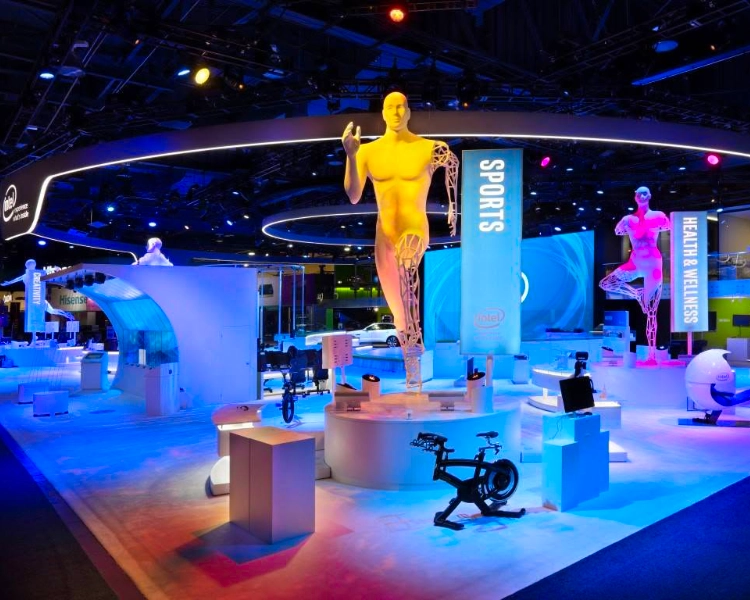
- Sculptural displays and oversized props: Distinctive visual elements that attract attention and help make an exhibit memorable.
- Themed environments: Coordinated scenic elements, textures, finishes, and architectural details that bring a brand story to life.
Each component should serve a purpose, whether that means attracting visitors, explaining a product, supporting a demonstration, or creating a more engaging brand interaction.
Designing Exhibits Around Audience Engagement
An effective experiential exhibit starts with a clear understanding of what the brand wants visitors to do and remember. Is the goal to introduce a new product, demonstrate a technology, generate leads, educate an audience, or strengthen brand recognition?
That objective should guide the physical design.
An exhibit promoting a complex product may need accessible demonstration areas and clear sightlines. A brand launching a new consumer product may benefit from an attention-grabbing centerpiece or a hands-on interaction. A company focused on relationship building may prioritize welcoming meeting areas and spaces for conversation.
Custom fabrication helps bring these different requirements together. The layout, scale, materials, lighting coordination, and physical features can all be developed around the intended visitor experience rather than forcing the concept into a standard display format.
Materials and Fabrication Methods for Custom Exhibits
Trade show and exhibit projects often combine several fabrication methods to achieve the right appearance, functionality, and level of detail.
Common approaches include:
- Carpentry and custom millwork for finished display counters, branded walls, shelving, cabinetry, and architectural details.
- Metal fabrication for custom frames, structural components, supports, and distinctive metal features.
- Foam sculpting and CNC foam carving for dimensional graphics, oversized shapes, sculptural elements, and lightweight scenic features.
- Fiberglass fabrication for molded shapes, complex contours, custom props, and specialty finished components.
- 3D modeling and printing for detailed parts, prototypes, custom forms, and components that benefit from digital design.
Material selection should reflect the exhibit’s intended use, appearance, budget, and construction requirements. For displays that travel from one event to another, weight, durability, modularity, and ease of handling can be especially important.
Combining methods thoughtfully can also help create a more cohesive result, allowing different materials and components to work together as one branded experience.
Planning for Installation, Transportation, and Reuse
Trade show exhibits operate within a specific set of logistical constraints. Booth dimensions, venue rules, move-in schedules, shipping requirements, and access limitations can affect how an exhibit should be fabricated.
Planning for these realities early can reduce last-minute adjustments and help ensure that custom components fit the intended space. For larger builds, breaking the design into transportable sections may simplify handling and support efficient assembly at the venue.
Reusability is another important consideration. If an exhibit will appear at multiple shows, its components may need to withstand repeated transportation, setup, breakdown, and storage. Modular elements, replaceable finishes, and carefully planned connection points can help support future use.
Delivery, assembly, and installation responsibilities should be confirmed during project planning, since the services included vary by project and agreement.
Why Choose Custom Exhibit Fabrication?
Standard exhibit systems can work well for straightforward requirements. Custom fabrication becomes particularly valuable when a brand needs a distinctive shape, a specialized product presentation, unusual dimensions, or a physical environment that reflects a specific creative direction.
A custom-built exhibit can help a brand stand out visually while supporting the practical needs of sales teams, product specialists, presenters, and visitors. It also provides greater flexibility in how products, messaging, and interactive features are integrated into the space.
The strongest results come when creative teams and fabricators collaborate early. Understanding the objectives, venue requirements, materials, and schedule helps turn an ambitious design into a buildable solution.
Custom Trade Show and Exhibit Fabrication With Statement Fabrication
Statement Fabrication is a Las Vegas-based custom fabrication company that creates complex, high-impact physical builds. Our capabilities include 3D modeling and printing, fiberglass fabrication, metal fabrication, carpentry and millwork, and custom foam sculpting.
We help bring creative concepts into the physical world through custom structures, sculptural elements, product displays, scenic features, and other fabricated components. By considering the creative vision alongside material choices and production requirements, we work to help project teams move from concept toward a finished build that supports their goals.
Whether you’re preparing for a major industry trade show, introducing a new product, or developing an exhibit designed to engage visitors, Statement Fabrication can help you explore the possibilities of custom fabrication.
Planning your next trade show exhibit or experiential display? Contact Statement Fabrication to discuss your concept, schedule, and fabrication requirements. Let’s build an experience that makes a statement.
Frequently Asked Questions About Trade Show and Exhibit Fabrication
1. What is custom trade show exhibit fabrication?
It is the creation of purpose-built exhibit components, structures, displays, and scenic elements tailored to a brand, product, event, or exhibition space.
2. How is experiential exhibit fabrication different from a standard trade show booth?
Experiential exhibits place greater emphasis on audience interaction, storytelling, demonstrations, and creating a memorable physical connection with the brand.
3. What can be custom fabricated for an exhibit?
Options include branded walls, product displays, counters, dimensional logos, sculptural props, themed structures, and interactive physical installations.
4. Can custom exhibits be designed for multiple trade shows?
Yes. Modular construction and durable materials can help custom exhibits adapt to different venues and withstand repeated transportation and assembly.
5. What materials are commonly used for custom exhibits?
Wood, metal, foam, fiberglass, plastics, and specialty finishes may be used, depending on the design, weight, durability, and intended presentation.
6. When should a fabrication company be involved in exhibit planning?
Early collaboration helps align the creative concept with material selection, production methods, venue restrictions, transportation, and event deadlines.
7. Can Statement Fabrication create oversized or sculptural exhibit features?
Yes. Its fabrication capabilities include foam sculpting, fiberglass, metal, carpentry, and 3D modeling and printing for a range of custom elements.
8. Does Statement Fabrication handle exhibit delivery and installation?
Delivery, assembly, and installation are project-specific. Discuss these needs with the team to determine the appropriate scope and responsibilities.