


Hospitality is about more than providing a place to stay, dine, or gather. Today’s hotels, resorts, restaurants, and entertainment destinations increasingly use distinctive physical environments to create memorable moments that guests want to experience, photograph, and share.
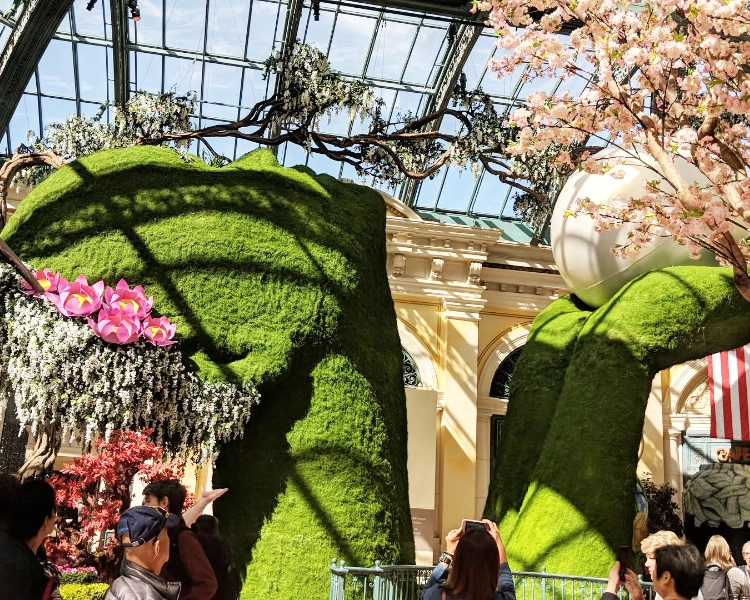
Experiential hospitality brings a brand’s personality to life through immersive spaces, custom installations, interactive features, and unexpected design elements. From an oversized sculptural centerpiece in a resort lobby to a custom-fabricated bar that becomes the focal point of a nightlife destination, these features can help transform an ordinary visit into something memorable.
Turning these concepts into reality requires a combination of creative vision, material expertise, and precise fabrication. Statement Fabrication helps bring ambitious hospitality concepts into the physical world through custom-built structures, sculptures, architectural features, and specialty scenic elements.
What Is Experiential Hospitality Fabrication?
Experiential hospitality fabrication is the creation of custom physical features that help hospitality businesses shape how guests experience a space. It combines fabrication, visual storytelling, and environmental design to support a destination’s identity and atmosphere.
Unlike standard furnishings or decorative finishes, experiential elements are often designed specifically for a property, brand, or guest interaction. They may serve as visual landmarks, conversation starters, interactive features, or central components of a themed environment.
Examples include:
- Statement sculptures and installations: Oversized artwork, dimensional displays, and custom sculptural features that create a focal point.
- Custom bars and architectural features: Distinctive bar fronts, reception desks, decorative walls, and specialty millwork.
- Themed environments: Custom-fabricated elements that support a particular story, design concept, or destination identity.
- Interactive guest features: Physical installations designed to invite participation, exploration, or photography.
- Branded hospitality spaces: Custom displays, dimensional logos, and architectural details that reinforce a hotel’s, restaurant’s, or entertainment venue’s identity.
The right approach depends on the property’s audience, the desired atmosphere, and the role each feature should play in the overall guest journey.
Where Experiential Hospitality Comes to Life
Experiential fabrication can contribute to many different hospitality settings, each with its own functional and aesthetic requirements.
Hotels and Resorts
Resort lobbies, arrival areas, pool environments, lounges, and guest amenities can benefit from custom-fabricated features that create a distinctive sense of place. Sculptural displays, custom architectural details, and themed installations can become recognizable elements of a property’s identity.
Restaurants and Bars
In dining spaces, a custom bar, sculptural ceiling feature, distinctive host stand, or specialty millwork installation can help establish the atmosphere before guests even sit down. Fabrication can also help bring a restaurant’s culinary concept or brand story into its physical surroundings.
Nightclubs and Entertainment Venues
Entertainment destinations often use bold forms, dramatic scenic elements, and highly customized focal points to create a recognizable atmosphere. Custom-fabricated DJ booths, sculptural structures, decorative panels, and dimensional features can support the venue’s creative direction while accommodating technical and operational requirements.
Casinos and Destination Attractions
Large destination properties may use custom sculptures, themed installations, and immersive visual features to create memorable public spaces. These elements can help define individual areas, reinforce a destination’s identity, and give guests reasons to explore.
Across all these settings, successful fabrication balances visual impact with the practical demands of a working hospitality environment.
The Role of Custom Fabrication in Guest Engagement
Physical surroundings influence how people experience a hospitality destination. A distinctive installation may draw guests toward a particular area, while an interactive feature can encourage them to pause, participate, or share the experience with others.
Custom fabrication allows designers to create features that fit the intended guest interaction rather than relying exclusively on standard products. Scale, texture, shape, lighting coordination, and material finishes can all contribute to the atmosphere.
For example, a resort may commission a large sculptural centerpiece that becomes a recognizable meeting point. A restaurant may develop a custom-fabricated feature wall that communicates its identity through dimensional forms and specialty finishes. An entertainment venue might use a one-of-a-kind scenic installation to establish a dramatic visual focal point.
These elements work best when they are connected to a clear creative purpose. The objective is not simply to add something unusual, but to create a feature that feels relevant to the property and enhances the guest experience.
Materials and Methods for Hospitality Fabrication
Experiential hospitality projects frequently combine several fabrication disciplines to achieve their desired appearance and performance.
- Carpentry and custom millwork create reception desks, bars, built-in features, decorative panels, and architectural details.
- Metal fabrication supports custom frames, fabricated structures, dimensional components, and specialty design features.
- Fiberglass fabrication enables complex molded shapes, sculptural forms, and custom components with specialty finishes.
- Foam sculpting and CNC foam carving produce lightweight dimensional forms, themed props, oversized decorative elements, and organic shapes.
- 3D modeling and printing support design development, detailed components, prototyping, and the creation of intricate custom forms.
These techniques can be combined to create features that would be difficult to achieve through off-the-shelf products alone. Material selection should account for the intended appearance, location, expected guest contact, cleaning requirements, and long-term maintenance.
Hospitality projects may also require coordination with architects, interior designers, engineers, lighting specialists, and other trades. Applicable fire-safety, accessibility, structural, and building requirements should be addressed by the appropriate project professionals.
Planning for Durability, Maintenance, and Installation
A hospitality installation must work in the real world, often in a space that remains operational throughout construction or renovation. A feature that looks impressive in a rendering must also be practical to fabricate, transport, install, clean, and maintain.
Early planning can help identify challenges related to access, dimensions, attachment points, weight, and coordination with existing building systems. High-contact areas may need more durable finishes, while installations in public circulation areas may require special attention to clearances and accessibility.
Maintenance should be part of the conversation from the beginning. Can the feature be cleaned without damaging its finish? Can components be accessed for repairs? Will a decorative element need periodic refinishing? Considering these questions early can help the project team make more informed decisions.
For properties with strict operating schedules, fabrication and installation planning should also align with renovation windows and opening dates. Delivery, assembly, and installation responsibilities should be confirmed in the project scope.
Why Hospitality Brands Invest in Custom Fabrication
Distinctive physical features can help a hospitality destination express what makes it different. Custom fabrication gives designers and operators greater freedom to develop signature elements that align with a property’s architecture, theme, audience, and brand identity.
A well-planned installation can serve several purposes at once: creating a visual landmark, strengthening a design concept, improving the atmosphere of a space, and giving guests a memorable point of interaction.
Custom fabrication also allows multiple materials and production techniques to be coordinated around one design vision. Instead of adapting the creative concept to a standard product, the project team can develop a feature around the space and the experience it is intended to create.
The most effective projects begin with a clear understanding of the guest experience and involve fabrication expertise early enough to help shape a buildable solution.
Experiential Hospitality Fabrication With Statement Fabrication
Statement Fabrication is a Las Vegas-based custom fabrication company specializing in ambitious, highly customized physical builds. Our capabilities include 3D modeling and printing, fiberglass fabrication, metal fabrication, carpentry and millwork, and custom foam sculpting.
These capabilities can support a wide range of hospitality projects, from sculptural displays and specialty architectural details to custom bars, themed features, and immersive installations. We work with project teams to understand the creative intent, evaluate fabrication approaches, and develop custom elements that support the broader design vision.
Whether you’re refreshing a resort, developing a new restaurant concept, building an entertainment destination, or creating a signature guest installation, custom fabrication can help bring your ideas to life.
Planning a hospitality project that deserves to stand out? Contact Statement Fabrication to discuss your concept, fabrication requirements, and project timeline. Let’s build something your guests will remember.
Frequently Asked Questions About Experiential Hospitality Fabrication
1. What is experiential hospitality?
Experiential hospitality focuses on creating memorable guest interactions through the design, atmosphere, activities, and physical features of hotels, resorts, restaurants, and entertainment destinations.
2. What is experiential hospitality fabrication?
It is the custom fabrication of physical elements—such as sculptures, architectural features, themed structures, and interactive installations—that help bring hospitality concepts to life.
3. What hospitality projects benefit from custom fabrication?
Hotels, resorts, restaurants, bars, nightclubs, casinos, lounges, and entertainment destinations may use custom fabrication to create distinctive spaces and guest experiences.
4. What can be custom fabricated for a hotel or resort?
Possible projects include lobby sculptures, reception desks, decorative walls, custom millwork, themed installations, dimensional displays, and distinctive architectural features.
5. What materials are used in hospitality fabrication?
Depending on the design, fabricators may use wood, metal, fiberglass, foam, plastics, and specialty finishes selected for the installation’s appearance and operating conditions.
6. How can custom installations improve a guest experience?
They can establish a memorable focal point, reinforce a property’s identity, encourage interaction, and help create an atmosphere that feels unique to the destination.
7. How should hospitality installations be planned for long-term use?
Planning should consider durability, cleaning, maintenance access, visitor contact, environmental exposure, installation requirements, and applicable building and safety standards.
8. Does Statement Fabrication provide installation services?
Delivery, assembly, and installation depend on the project’s requirements and agreed scope. Discuss these needs with the team during the planning process.