


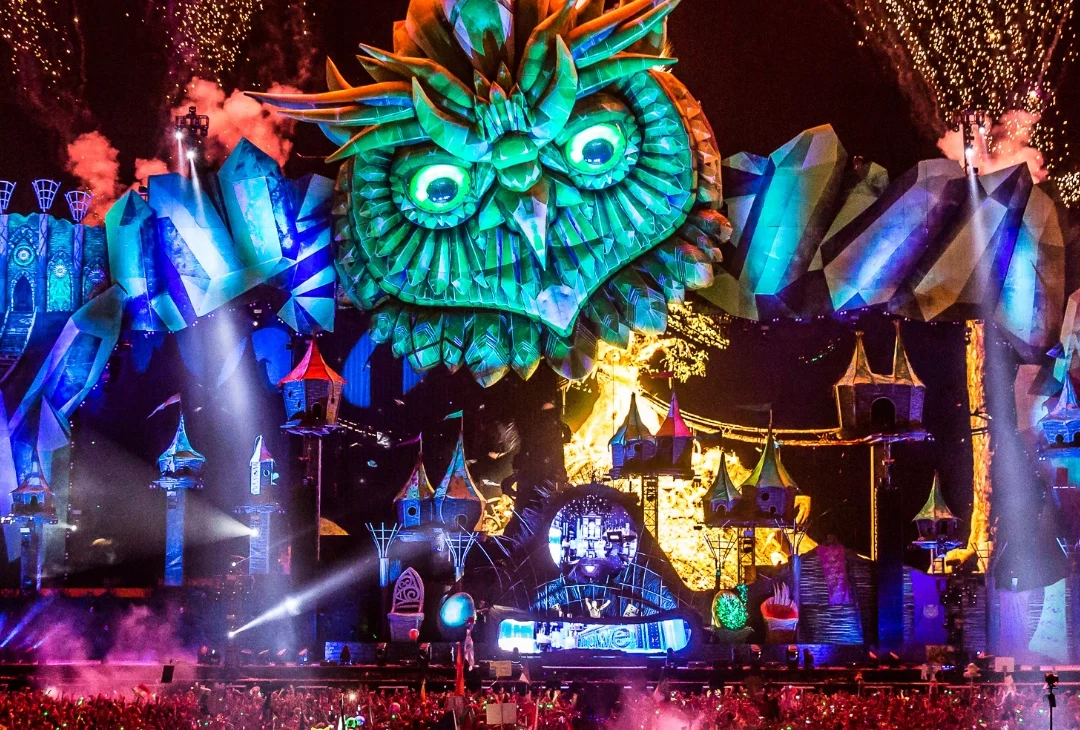
Immersive attractions invite people to step beyond observation and become part of a story. From themed environments and interactive exhibits to walk-through experiences and larger-than-life installations, these destinations combine creative storytelling with physical spaces that encourage exploration, discovery, and participation.
For attraction developers, designers, and entertainment brands, bringing these concepts to life requires more than an imaginative design. It takes careful planning, specialized materials, precise fabrication, and the ability to turn complex creative ideas into physical experiences that work for real audiences.
At Statement Fabrication, we help transform ambitious concepts into custom-fabricated elements that make immersive experiences tangible, engaging, and memorable.
What Is Immersive Attraction Fabrication?
Immersive attraction fabrication is the process of building the physical components that bring themed and interactive experiences to life. These elements may establish a fictional world, recreate a recognizable setting, communicate a story, or encourage visitors to interact with their surroundings.
Depending on the project, custom fabrication may include:
- Themed architectural elements: Custom walls, facades, portals, passageways, and scenic structures.
- Oversized props and sculptures: Distinctive objects, creatures, characters, and decorative features that establish the attraction’s visual identity.
- Interactive installations: Physical elements designed to support visitor participation, discovery, or hands-on engagement.
- Themed interior details: Custom millwork, dimensional textures, specialty finishes, and decorative components that help create a convincing environment.
- Three-dimensional scenic elements: Sculpted forms, molded shapes, and dimensional features that would be difficult to achieve with standard construction methods.
Each component should support the attraction’s overall story while meeting the practical requirements of its location, intended audience, operating conditions, and maintenance plan.
Turning Creative Concepts Into Physical Experiences
Immersive attractions often begin with concept art, renderings, models, or a creative brief. Fabrication helps bridge the gap between what a designer imagines and what visitors can actually experience.
Early collaboration between designers, attraction operators, engineers, and fabricators can help identify construction challenges before they become expensive revisions. Scale, material selection, access requirements, attachment methods, lighting integration, and interaction points all influence how a concept should be built.
Three-dimensional modeling can help clarify proportions, visualize complex forms, and coordinate components before production begins. Prototypes or sample finishes may also help teams evaluate appearance, fit, and functionality before committing to a full fabrication run.
The goal is to preserve the creative vision while developing a practical approach to construction.
Materials and Methods for Immersive Attraction Builds
No single material works for every attraction. The best fabrication approach depends on the design, required level of detail, expected use, environment, and project budget.
Common methods include:
- Carpentry and custom millwork for dimensional structures, built-in features, architectural details, and finished interior elements.
- Metal fabrication for frames, supports, brackets, custom assemblies, and other components designed around project-specific structural requirements.
- Fiberglass fabrication for sculptural forms, themed shapes, molded components, and durable finished surfaces where appropriate.
- Foam sculpting and CNC foam carving for lightweight dimensional scenery, oversized props, detailed shapes, and complex organic forms.
- 3D modeling, printing, and prototyping for intricate details, custom parts, scale studies, and components that benefit from digital design and physical testing.
These methods can be combined within a single attraction. For example, a sculptural centerpiece might use a fabricated internal structure, carved foam for its shape, and a specialty finish to achieve the desired appearance. The appropriate construction method should be determined by the design and its real-world requirements.
Designing for Visitor Interaction, Durability, and Operations
An immersive attraction must do more than look impressive in photographs. Its physical components need to work within the flow of visitors and the realities of daily operation.
Fabrication planning should account for how people will approach, move through, and interact with the space. Clearances, sightlines, accessible routes, edges, moving elements, and areas of frequent contact may affect the final design. Any applicable accessibility, fire-safety, structural, and building requirements should be coordinated with the responsible project professionals.
Durability is equally important. An attraction with heavy visitor traffic may need different materials and finishes than a limited-run experience or a carefully controlled exhibit. Cleaning procedures, repair access, replacement parts, and the ability to remove components for maintenance should be considered before production.
For traveling attractions or temporary installations, transportation, modular construction, assembly, and storage can also influence fabrication decisions. Installation, delivery, and assembly services should be defined as part of the project scope rather than assumed to be included in every fabrication package.
Why Custom Fabrication Matters for Immersive Attractions
Standard products can be useful for basic infrastructure, but distinctive attractions often depend on features that cannot be purchased off the shelf. Custom fabrication makes it possible to develop unusual proportions, recognizable visual details, integrated scenic elements, and physical features tailored to a specific creative direction.
A coordinated fabrication partner can also help manage the relationship between different materials and production methods. Instead of treating every component as a separate problem, the team can consider how the pieces fit together, how finishes relate, and how the finished attraction will function as a complete experience.
The result is a more cohesive physical environment—one where individual elements work together to support the story and give visitors a reason to remember their time there.
Bringing Your Immersive Attraction to Life With Statement Fabrication
Statement Fabrication is a Las Vegas-based custom fabrication company specializing in ambitious, highly customized physical builds. Our capabilities include 3D modeling and printing, fiberglass fabrication, metal fabrication, carpentry and millwork, and custom foam sculpting.
These capabilities can support the creation of themed structures, sculptural installations, dimensional props, architectural features, and other custom elements for immersive attractions. We work with project teams to understand the creative vision, identify fabrication considerations, and determine an appropriate path from concept toward production.
Whether you’re developing a new themed destination, expanding an existing attraction, or creating a signature installation, the right fabrication approach can help turn an imaginative idea into a physical experience.
Planning an immersive attraction or themed installation? Contact Statement Fabrication to discuss your concept, project requirements, and custom fabrication needs. Let’s build something that makes a statement.
Frequently Asked Questions About Immersive Attraction Fabrication
1. What is immersive attraction fabrication?
It is the custom fabrication of physical structures, props, sculptures, themed details, and interactive elements used to create engaging visitor experiences.
2. What types of immersive attractions require custom fabrication?
Themed attractions, walk-through experiences, interactive installations, entertainment destinations, immersive exhibits, and branded experiences may all require custom-fabricated elements.
3. What materials are used to build immersive attractions?
Materials may include wood, metal, fiberglass, foam, plastics, and specialty finishes, selected according to design, durability, weight, and operating conditions.
4. Can fabricators create oversized props and sculptures?
Yes. Custom fabrication methods can produce large-scale props, dimensional sculptures, themed objects, and other distinctive features tailored to a project’s design requirements.
5. Can custom fabrication support interactive experiences?
Yes. Fabricated components can accommodate planned interaction points and integrate with other systems when requirements are coordinated with the relevant designers and technical specialists.
6. When should a fabricator be involved in attraction development?
Early involvement is valuable because material selection, construction methods, component sizing, and installation constraints can influence design decisions, cost, and scheduling.
7. How do you make immersive attraction elements durable?
Durability depends on appropriate materials, construction methods, finishes, maintenance access, and the expected level of visitor contact and environmental exposure.
8. Does Statement Fabrication provide installation and assembly?
Installation, delivery, and assembly depend on the project’s needs and agreed scope. Discuss these requirements with the team during project planning.