


Live events and brand activations are designed to bring people together around a moment, a message, or an experience. From immersive event spaces and interactive brand installations to elaborate themed environments and large-scale scenic elements, the physical setting helps determine how audiences engage with an event and what they remember afterward.
Custom live event and activation fabrication transforms creative concepts into physical environments that capture attention, communicate a message, and encourage participation. Through custom structures, scenic elements, architectural features, branded installations, and specialty-fabricated details, event teams can create spaces that go far beyond conventional event décor.
At Statement Fabrication in Las Vegas, Nevada, we help bring ambitious creative concepts to life through custom fabrication capabilities that support distinctive environments for live events, experiential marketing, entertainment, and brand engagement.
What Is Live Event and Activation Fabrication?
Live event and activation fabrication is the process of producing custom-built physical elements for temporary or recurring events, promotional campaigns, audience experiences, and immersive installations.
Unlike standard event rentals or off-the-shelf displays, custom fabrication allows designers and event producers to create elements tailored to a specific concept, venue, audience, and objective.
Projects may include:
- Branded environments and immersive installations
- Custom scenic backdrops and architectural features
- Interactive displays and audience engagement stations
- Oversized props, replicas, and sculptural elements
- Product demonstration areas and reveal structures
- Custom stages, presentation features, and performance environments
- Pop-up experiences and promotional installations
- Themed décor and photo-worthy focal points
Some projects involve a single signature installation. Others require multiple fabricated components that work together to create a complete environment.
Types of Live Events and Activations That Use Custom Fabrication
Custom fabrication can support a wide range of events, from intimate promotional experiences to large-scale public productions.
Brand Activations and Experiential Marketing
Brand activations give audiences an opportunity to interact with a company, product, or message in a memorable setting. Custom-fabricated structures, branded architectural features, oversized products, interactive stations, and immersive visual elements help translate a brand concept into a physical experience.
The strongest installations do more than display a logo. They give people a reason to engage with the brand and make the experience feel purposeful.
Product Launches and Reveals
A product launch may call for a dramatic reveal structure, custom display platform, oversized replica, demonstration station, or branded environment. Fabrication can help control how the product is presented, create anticipation, and support the event’s visual storytelling.
Features should be designed around the product, audience sightlines, lighting, access, and the sequence of the presentation.
Festivals and Public Events
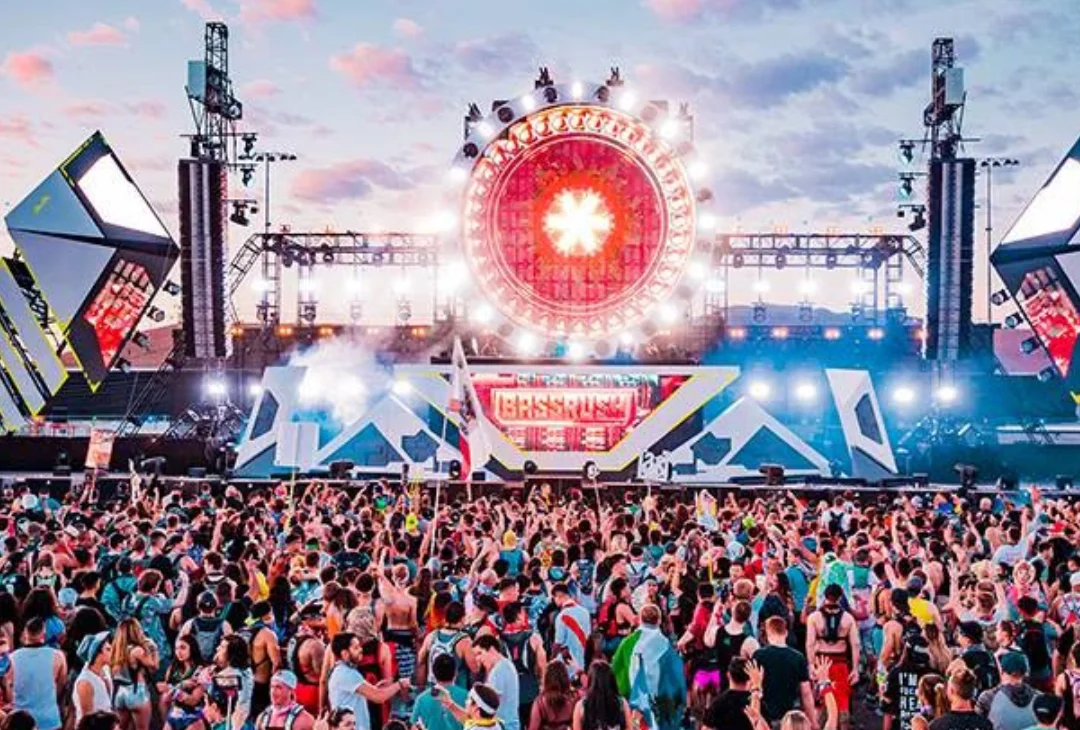
Festivals and public events often use custom-fabricated features to establish a theme, create gathering points, and make different areas of a venue recognizable. These may include decorative structures, branded installations, themed gateways, sculptural displays, and audience-facing features.
Outdoor projects require additional attention to weather exposure, wind loads, anchoring, crowd movement, and site-specific safety requirements.
Corporate Experiences and Sponsored Events
Corporate gatherings, sponsored events, conferences, and client experiences can benefit from custom environments that reinforce a message or create a distinctive setting. Fabricated presentation features, branded lounges, interactive displays, and custom architectural details can help connect the event’s physical design with its purpose.
Pop-Up Experiences and Promotional Tours
Pop-up installations and traveling activations often need to deliver a consistent visual identity across different locations. Custom fabrication can help create modular components that are designed for transport, repeat assembly, and adaptation to varying site conditions.
The earlier portability is considered, the easier it is to plan for practical setup, storage, transportation, and reuse.
How Custom Fabrication Makes Event Environments More Effective
A successful event environment connects visual impact with the intended audience experience. Fabrication gives creative teams more control over how that connection is built.
Create a stronger first impression. Distinctive structures and focal points can draw attention and establish the atmosphere as guests enter a space.
Make the concept tangible. Physical environments turn abstract campaign ideas, brand stories, and event themes into something audiences can see and experience.
Encourage audience participation. Interactive stations, custom props, and immersive installations can give guests a reason to explore, engage, and share the experience.
Support event storytelling. A sequence of fabricated features can guide visitors through a product story, campaign message, or themed environment.
Differentiate the event. Custom shapes, materials, finishes, and architectural details help create a look that standard rental inventory may not provide.
Create opportunities for repeat use. When designed for modularity and durability, some fabricated components can be adapted for future events, tours, or campaigns.
Key Elements of a Custom-Fabricated Event Environment
An event environment may consist of many separate components, each contributing to the overall experience.
Scenic Structures and Backdrops
Custom scenic elements establish the visual setting for presentations, performances, photo opportunities, and branded experiences. These can include dimensional walls, scenic facades, decorative frameworks, themed architectural details, and specialty-finished surfaces.
Immersive and Interactive Installations
Immersive installations are designed to make audiences feel involved in the environment rather than simply observing it. Custom-fabricated structures and components can support interactive exhibits, branded activities, product experiences, and visually engaging spaces.
When technology is involved, fabrication should be coordinated with the relevant teams to accommodate screens, sensors, lighting, wiring, and equipment access.
Oversized Props and Sculptural Features
Oversized objects, custom replicas, and sculptural elements can communicate an idea quickly and create a recognizable event focal point. Foam sculpting, fiberglass fabrication, 3D printing, and other custom methods may be appropriate depending on the desired shape, finish, scale, and intended use.
Branded Architectural Features
Branded environments may incorporate dimensional logos, custom walls, arches, display structures, counters, and specialty-fabricated features. The goal is to integrate brand identity into the environment rather than simply apply graphics to a generic structure.
Stages and Presentation Areas
Custom stage features and presentation environments help frame speakers, performers, products, and visual content. Fabrication may include scenic facades, decorative stage elements, custom platforms, and specialty finishes. Structural and technical requirements should be coordinated with qualified event and engineering professionals.
Materials and Fabrication Methods for Live Events
The right fabrication method depends on the creative concept, scale, schedule, venue, transport requirements, and expected lifespan of the installation.
| Fabrication method | Potential event applications |
|---|---|
| Carpentry and custom millwork | Scenic walls, counters, branded structures, architectural details |
| Metal fabrication | Frames, supports, decorative structures, specialty components |
| CNC foam carving | Oversized props, lightweight scenic forms, themed sculptures |
| Fiberglass fabrication | Sculptural shells, complex forms, durable decorative features |
| 3D printing | Intricate details, custom shapes, prototypes, specialty components |
| CNC cutting and machining | Precision-cut panels, patterns, repeatable components |
| Specialty finishing | Custom textures, simulated materials, distinctive colors and surface effects |
Combining materials can make it possible to achieve a particular appearance while managing weight, strength, portability, and production complexity. For example, a large decorative object may use a lightweight sculpted body with a separate internal support structure, depending on its design and use.
Material decisions should also account for flame-retardancy requirements, outdoor exposure, public interaction, cleaning, transportation, and the applicable venue regulations.
The Live Event Fabrication Process
Because events operate on fixed dates, fabrication planning must balance creative ambitions with production milestones and on-site logistics.
1. Define the experience. Establish the event’s purpose, audience, creative direction, location, schedule, and the role each fabricated element will play.
2. Review designs and site conditions. Evaluate renderings, drawings, dimensions, venue restrictions, access routes, and relevant technical requirements.
3. Develop the fabrication plan. Select materials, construction methods, finishes, and assembly approaches. For larger or more complex projects, determine what engineering or specialist review is required.
4. Fabricate and finish components. Build the elements according to the approved scope, checking dimensions, fit, visual quality, and coordination between components.
5. Plan transport and assembly. Determine how each component will move from the fabrication facility to the venue, whether it needs to travel in sections, and how it will be assembled or secured.
6. Coordinate event readiness. Align fabrication milestones with venue access, lighting and audiovisual integration, other contractors, and the event’s final setup schedule.
Delivery, assembly, and installation may be included in some project scopes but are not automatically part of every fabrication engagement. Responsibilities should be established with the fabricator and event team before production begins.
Planning for Temporary and Reusable Event Environments
Not every event installation is intended to last for years. Some are created for a single event, while others need to travel, be reassembled, or serve multiple campaigns.
Understanding the intended lifespan early helps determine the right construction approach.
For a one-time activation, the priority may be achieving a specific visual result within a defined budget and deadline. A touring installation may require more durable materials, protective transport packaging, modular construction, replaceable components, and repeatable assembly methods.
When future reuse is important, discuss these requirements during design development. A structure designed for a single installation may need different engineering, connection details, and material choices than one expected to travel between venues repeatedly.
Common Challenges in Live Event Fabrication
Event fabrication involves more than building the requested object. Several practical challenges can affect the final result.
- Fixed deadlines: Production schedules must account for approvals, revisions, finishing, transport, and venue access.
- Venue restrictions: Loading docks, elevators, ceiling heights, floor conditions, and restricted work hours can influence the design.
- Transportation: Large or irregularly shaped elements may need to be divided into manageable sections.
- Technical coordination: Lighting, audiovisual equipment, power, sensors, and other systems need appropriate integration planning.
- Safety and public interaction: Crowd flow, stability, anchoring, accessible routes, and other site-specific requirements must be addressed.
- Changing creative requirements: Design revisions can affect materials, cost, and production time, making early communication especially important.
Sharing accurate project information and involving the fabrication team early can help identify these issues before they become costly schedule problems.
Live Event and Activation Fabrication by Statement Fabrication
Statement Fabrication brings together custom fabrication capabilities to support projects that call for distinctive forms, complex builds, and carefully executed finishes. Based in Las Vegas, Nevada, our team offers custom fabrication, 3D modeling and printing, fiberglass fabrication, metal fabrication, carpentry and millwork, and custom foam sculpting.
These capabilities can support scenic structures, immersive event environments, oversized props, branded installations, sculptural features, and other custom-built elements that help turn creative concepts into physical experiences.
Whether you are producing a corporate activation, a product launch, a public event, a promotional tour, or an immersive brand experience, early fabrication planning can help align the creative vision with the materials, construction methods, schedule, and logistical requirements.
Have a live event or activation concept in development? Contact Statement Fabrication to discuss your project and explore how custom fabrication can help bring your vision to life.
Frequently Asked Questions
What is live event fabrication?
Live event fabrication is the custom production of physical structures, scenic elements, props, displays, and installations used at events, performances, activations, and public experiences.
What is the difference between event fabrication and event rentals?
Event rentals typically provide existing inventory, while custom fabrication produces elements tailored to a specific concept, space, brand, or functional requirement. Projects may use both approaches.
Can custom fabrication support brand activations?
Yes. Custom-fabricated structures, branded environments, interactive features, oversized props, and sculptural displays can help create engaging physical experiences around a brand or campaign.
Can event installations be designed for reuse?
Yes. Modular construction, durable materials, repeatable connections, and transport planning can help prepare certain installations for multiple events or locations.
What materials are commonly used for event fabrication?
Wood, metal, foam, fiberglass, and 3D-printed components are common options. The right choice depends on the design, weight, durability, finish, schedule, and intended use.
How far in advance should event fabrication begin?
Start discussions as early as practical, especially for complex builds or events with fixed opening dates. The required lead time depends on project size, design readiness, approvals, materials, and logistics.
Can custom event structures be used outdoors?
Potentially, yes. Outdoor installations require project-specific consideration of weather exposure, wind loads, anchoring, material performance, and applicable safety requirements.
Does Statement Fabrication handle event installation?
Project responsibilities vary. Discuss delivery, assembly, installation, and coordination with the Statement Fabrication team to confirm the scope for your specific project.