


The most effective brand activations give people a reason to do more than notice a brand. They invite audiences to participate, explore, interact, and become part of a story. Whether launching a new product, introducing a campaign, or creating an immersive promotional experience, the physical environment can turn a marketing message into something people can see, touch, and remember.
Brand activation fabrication transforms creative marketing concepts into custom-built physical experiences that connect audiences with brands. Through oversized props, interactive installations, sculptural features, product demonstrations, immersive structures, and custom scenic elements, fabrication helps marketing teams bring ambitious ideas into the real world.
At Statement Fabrication in Las Vegas, Nevada, we help brands, agencies, designers, and production teams turn creative concepts into physical reality. Our custom fabrication capabilities support distinctive brand experiences that require more than standard displays or off-the-shelf promotional materials.
What Is Brand Activation Fabrication?
Brand activation fabrication is the process of designing, engineering, and producing physical elements for marketing campaigns that encourage direct audience engagement with a brand, product, or message.
Unlike conventional advertising, which often communicates through media, graphics, or screens, a brand activation gives people an opportunity to experience the brand in a physical setting. Custom fabrication can make that experience more distinctive by creating structures and objects tailored to the campaign’s creative direction and objectives.
Examples include:
- Immersive branded installations
- Oversized product replicas and sculptural props
- Interactive audience engagement stations
- Custom product demonstration structures
- Experiential pop-up installations
- Branded photo opportunities
- Campaign-specific scenic features
- Custom-built elements for promotional tours
- Physical environments for product launches
- Specialty-fabricated components for experiential marketing campaigns
The scope can range from one memorable installation to an entire physical experience designed around a brand story.
Types of Brand Activations That Benefit From Custom Fabrication
Different campaigns require different kinds of audience interaction. Understanding the intended experience helps determine which fabricated elements will make the greatest impact.
Immersive Brand Experiences
Immersive activations surround visitors with a coordinated visual concept. Custom walls, dimensional structures, sculptural elements, themed features, and specialty finishes can transform an ordinary venue into a setting that expresses a brand’s personality.
The objective is to create an experience that feels connected to the campaign rather than simply placing branded signage in a room.
Product Launches and Demonstrations
A new product may deserve a presentation that communicates its design, features, or significance. Custom platforms, reveal structures, oversized replicas, product stands, and demonstration stations can help make the launch more engaging.
Fabrication can also accommodate practical requirements, such as equipment access, product handling, lighting, and clear audience sightlines.
Interactive Marketing Installations
Interactive activations encourage people to participate instead of remaining passive observers. Depending on the campaign, custom-built elements may support hands-on demonstrations, games, product trials, digital interactions, or guided experiences.
These installations need to be designed around how people will use them, including accessibility, visitor flow, durability, and any technology integrated into the physical structure.
Oversized Props and Branded Sculptures
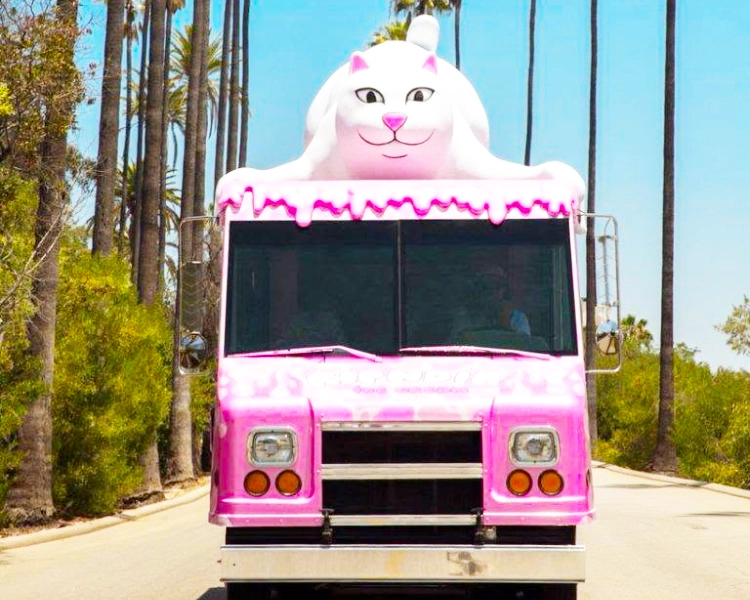
Large-scale objects can turn a brand symbol, product, or campaign idea into a striking physical focal point. Oversized replicas, dimensional logos, custom sculptures, and imaginative props can help an activation stand out within a busy event or public setting.
Foam sculpting, fiberglass fabrication, metalwork, and 3D printing may be used individually or together to achieve the desired scale, shape, finish, and weight.
Pop-Up Campaigns and Promotional Tours
Brands often bring activations to multiple locations to reach different audiences. Custom-fabricated components can help establish a consistent campaign identity while allowing the installation to adapt to different venues.
When repeat use is expected, the design should account for transport, storage, assembly time, protective packaging, and the wear associated with repeated handling.
Photo-Worthy Experiences
A distinctive physical installation can give visitors a natural opportunity to take photos or share their experience. Custom backdrops, oversized objects, sculptural features, and visually engaging structures can become recognizable campaign elements.
Although social sharing cannot be guaranteed, a thoughtfully designed installation can make participation intuitive and provide audiences with a tangible connection to the campaign.
How Fabrication Brings Brand Stories to Life
Every activation starts with an idea: a product benefit, a company value, a campaign message, or an emotion the brand wants audiences to associate with it. Fabrication helps translate that abstract idea into a physical form.
For example, a campaign built around innovation might use unusual geometric structures, interactive components, or precision-fabricated product features. A campaign centered on imagination might use oversized sculptural forms, unexpected materials, or immersive scenic elements.
A product-focused activation might instead prioritize a custom display that allows people to examine the product from multiple angles and understand its features through demonstration.
The important principle is that the physical build should support the campaign’s purpose. Visual impact matters, but the most successful fabrication choices also make the intended message easier to experience and understand.
Custom Fabrication Methods for Brand Activations
Different activation concepts require different materials and production techniques. The right approach depends on the creative direction, scale, budget, location, timeline, and intended lifespan of the installation.
| Fabrication method | Potential activation applications |
|---|---|
| CNC foam carving | Oversized props, lightweight sculptures, branded shapes, themed forms |
| Fiberglass fabrication | Complex sculptural shells, custom product replicas, specialty decorative elements |
| Metal fabrication | Custom frameworks, durable components, sculptural details, specialty structures |
| Carpentry and custom millwork | Counters, display platforms, scenic walls, custom fixtures |
| 3D printing | Intricate details, prototypes, small custom components, complex geometries |
| CNC cutting and machining | Precision-cut panels, dimensional elements, repeatable components |
| Specialty finishing | Custom textures, simulated materials, signature colors, distinctive surface effects |
Materials can be combined to create a desired appearance while balancing weight, strength, durability, and production requirements. A large decorative prop may require a different construction approach from an interactive feature that visitors will touch repeatedly.
For public-facing installations, material and construction decisions should also consider stability, flame-retardancy requirements, environmental exposure, accessibility, and other applicable venue or regulatory standards.
The Brand Activation Fabrication Process
Brand activations often involve several teams, including marketing agencies, creative directors, experiential designers, production companies, and technical specialists. A clear fabrication process helps bring these contributors together around a buildable plan.
1. Define the campaign objective.
Establish what the activation should communicate, who it is intended to reach, how audiences will interact with it, and what role the fabricated elements will play.
2. Review the creative concept.
Examine renderings, drawings, reference images, dimensions, branding guidelines, and site information. This is an opportunity to identify complex shapes, unusual materials, technical requirements, and potential production challenges.
3. Develop the fabrication approach.
Determine suitable materials, construction methods, finishes, support requirements, assembly details, and any coordination needed with lighting, audiovisual systems, or interactive technology.
4. Fabricate and finish the components.
Produce the custom elements according to the approved scope. Depending on the design, this may involve foam sculpting, fiberglass, metalwork, millwork, CNC machining, 3D printing, and specialty finishing.
5. Review fit, finish, and assembly.
Check dimensions, component interfaces, surface quality, and consistency with the approved design. Prototypes or sample finishes can be useful when appearance or interaction is particularly important.
6. Coordinate delivery and setup.
Plan transportation, site access, assembly, and coordination with other production teams. Establish responsibilities for installation, technical integration, and final setup before the activation date.
Early collaboration can help resolve practical issues while there is still time to make adjustments without disrupting the campaign schedule.
Designing Activations for Temporary Use or Repeat Campaigns
Some brand activations exist for a single afternoon. Others travel between cities, appear at multiple events, or return as part of a recurring campaign.
The intended lifespan should influence the fabrication strategy from the beginning.
For one-time activations, the priority may be delivering the required appearance and audience interaction within a defined budget and schedule.
For touring activations, components may need to be modular, durable, compact enough for transport, and straightforward to assemble at different venues.
For recurring campaigns, replaceable graphics, serviceable components, standardized connections, and reusable structural elements may make future deployments easier.
Reuse is not automatically the most economical option for every project. It depends on storage, transportation, maintenance, campaign changes, and the cost of adapting the installation to future locations.
Common Challenges in Brand Activation Fabrication
A compelling concept still needs to work in the real world. Several considerations can influence the final outcome.
- Tight campaign deadlines: Design approvals, material sourcing, fabrication, finishing, and transport must fit the activation schedule.
- Changing creative requirements: Late revisions can affect cost, construction methods, and production time.
- Venue limitations: Ceiling heights, loading access, floor conditions, space restrictions, and permitted setup hours may influence the design.
- Audience interaction: Components need to suit the intended level of physical contact and expected visitor volume.
- Technology integration: Screens, sensors, lighting, power, and other interactive systems require coordination with the relevant specialists.
- Transportation and reuse: Touring features may need to fit within transport constraints and withstand repeated assembly and handling.
- Safety and compliance: Structural stability, accessibility, fire and life-safety requirements, and site-specific rules should be addressed by the responsible project professionals.
Bringing the fabricator into the conversation early helps the creative team understand the available options and identify potential problems before production begins.
Measuring the Value of a Custom Brand Activation
Fabrication is one part of an experiential marketing campaign, so the physical installation should be considered alongside the campaign’s broader goals.
Depending on the activation, useful measures may include visitor participation, product demonstrations completed, samples distributed, qualified leads collected, dwell time, audience feedback, or social engagement.
The fabricated environment should make the desired action easier and more appealing. For example, a product demonstration station should support a clear demonstration process, while an immersive installation may be designed to encourage exploration and interaction.
A visually impressive build is valuable when it serves the experience the brand intends to deliver. Defining that purpose early helps guide decisions about scale, materials, complexity, and budget.
Brand Activation Fabrication by Statement Fabrication
Statement Fabrication helps brands and creative teams transform ambitious marketing concepts into physical experiences through custom fabrication capabilities in Las Vegas, Nevada.
Our capabilities include custom fabrication, 3D modeling and printing, fiberglass fabrication, metal fabrication, carpentry and millwork, and custom foam sculpting. These techniques can support oversized props, sculptural installations, custom product replicas, immersive structures, branded displays, and specialty-fabricated features for experiential marketing.
We understand that every campaign has its own creative direction, schedule, audience, and physical requirements. Working through those needs early helps establish a practical path from the initial concept to the finished installation.
Whether you are an agency developing an experiential campaign, a brand launching a new product, or a production team building a one-of-a-kind audience experience, Statement Fabrication can help explore the fabrication possibilities.
Have a brand activation concept you want to bring to life? Contact Statement Fabrication to discuss your vision, production requirements, and potential fabrication approach.
Frequently Asked Questions
What is brand activation fabrication?
Brand activation fabrication is the custom production of physical structures, props, displays, and installations used to create engaging experiences around a brand, product, or marketing campaign.
What can be custom fabricated for a brand activation?
Projects may include oversized product replicas, immersive structures, interactive stations, branded sculptures, scenic features, custom display platforms, and specialty props.
How does fabrication improve experiential marketing?
Custom fabrication allows creative teams to build physical experiences tailored to a campaign’s message and audience, rather than relying exclusively on standard displays or generic décor.
Can brand activation installations be reused?
Yes. When planned for repeat use, installations can incorporate modular construction, durable materials, replaceable components, and transport-friendly designs. Suitability depends on the campaign and future deployment requirements.
What materials are used for brand activation fabrication?
Materials may include foam, fiberglass, metal, wood, and 3D-printed components. Selection depends on the design, intended interaction, finish, weight, durability, and location.
Can custom activations incorporate interactive technology?
Yes. Fabricated components can accommodate screens, lighting, sensors, and other technology when the physical build is coordinated with the appropriate technical specialists.
When should a fabricator join the brand activation planning process?
Ideally, involve the fabricator while the concept is still developing. Early input can help identify practical construction methods, material options, production requirements, and schedule considerations.
Does Statement Fabrication provide delivery and installation for brand activations?
Project scope varies. Discuss transportation, assembly, installation, and coordination requirements with Statement Fabrication to confirm which services are included for your specific project.