


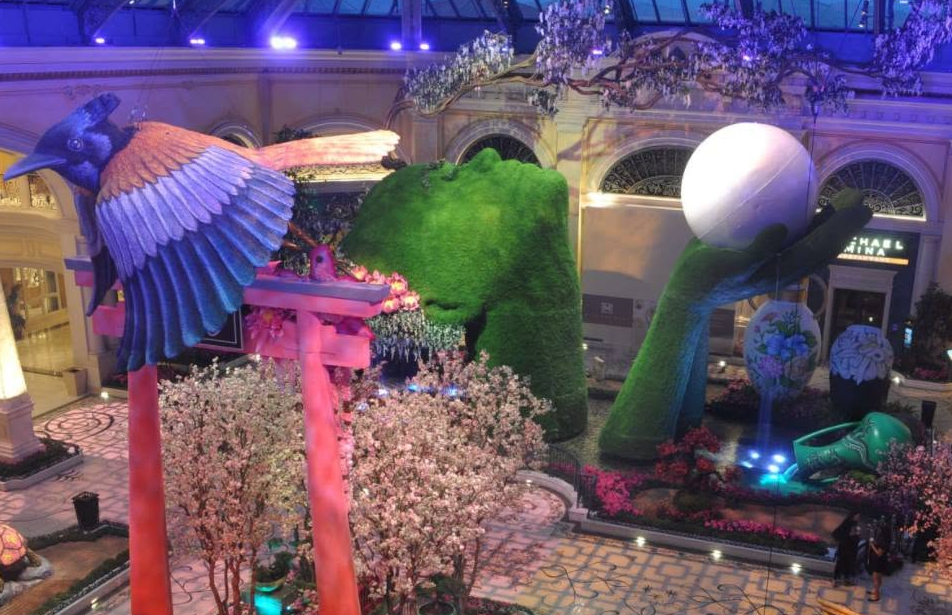
The spaces people interact with every day are often defined by more than their basic architecture. Custom architectural features, sculptural elements, specialty finishes, dimensional displays, and thoughtfully fabricated details can transform an ordinary interior into something distinctive and memorable.
From hotel lobbies and casino interiors to restaurants, corporate environments, and commercial spaces, custom fabrication plays an important role in bringing unique environments to life.
This is the foundation of environmental fabrication.
Environmental fabrication combines design, materials, manufacturing technology, and skilled craftsmanship to create custom physical elements that become part of a larger environment. These elements can serve practical purposes, create visual impact, reinforce a brand, or establish an atmosphere that would be difficult to achieve with standard building materials and off-the-shelf products.
Understanding environmental fabrication helps businesses, designers, architects, and developers recognize the possibilities available when creating distinctive spaces.
What Is Environmental Fabrication?
Environmental fabrication is the process of manufacturing custom physical components, architectural features, and specialty installations designed for a particular interior or exterior environment.
Unlike traditional construction, which generally focuses on building the core structure of a space, environmental fabrication often concentrates on the specialized elements that give that space its identity.
These elements may include:
- Custom architectural features and decorative structures
- Sculptural installations and large-scale artwork
- Specialty wall treatments and dimensional surfaces
- Custom cabinetry, millwork, and furniture
- Reception desks and hospitality counters
- Decorative ceilings and overhead features
- Branded architectural elements and dimensional signage
- Custom displays and presentation features
- Specialty metal, fiberglass, and foam components
- Themed environments and immersive interior features
Some projects involve a single custom feature, while others require multiple fabricated elements that work together to create a cohesive environment.
The objective is to produce something that fits the space, supports its intended purpose, and delivers the desired visual and functional result.
Where Is Environmental Fabrication Used?
Environmental fabrication supports a wide range of commercial, hospitality, entertainment, and institutional applications.
Hotels and Resorts
Hotels and resorts use custom fabricated features to establish their identity and create memorable guest experiences.
A hotel lobby might incorporate a large sculptural centerpiece, custom reception desk, decorative metalwork, specialty wall features, or dimensional architectural elements.
Restaurants, bars, guest areas, and other hospitality spaces may also include custom millwork, decorative structures, specialty finishes, and branded installations.
These elements help create an environment that feels intentional rather than generic.
Casinos and Gaming Environments
Casino interiors often feature elaborate architectural details, distinctive visual elements, and custom decorative installations.
Environmental fabrication can support projects involving sculptural features, themed architectural elements, custom millwork, decorative metalwork, specialty displays, and large-scale interior features.
Because casino environments are frequently designed around a particular atmosphere or visual identity, custom fabrication can be an important part of translating the design into physical form.
Restaurants and Nightclubs
Restaurants and nightclubs rely heavily on atmosphere.
Custom bars, architectural features, decorative ceilings, sculptural installations, specialty wall treatments, and branded elements can all contribute to the identity of a venue.
Fabrication makes it possible to create distinctive forms, integrate different materials, and produce features that fit the dimensions and character of the space.
Corporate Environments
Corporate spaces increasingly use custom features to communicate brand identity, culture, and values.
Reception areas, executive offices, conference rooms, employee spaces, and customer-facing environments may incorporate dimensional logos, custom furniture, architectural details, and sculptural displays.
A well-executed environment can communicate a company’s identity before a visitor ever speaks with an employee.
Retail and Commercial Spaces
Retail environments use custom fabrication to create displays, product presentation areas, branded architectural features, and specialty fixtures.
Custom fabricated elements can help a business distinguish its location from competitors while supporting the way products and services are presented.
Commercial spaces may also require specialty counters, decorative structures, partitions, and other components designed around a particular layout.
Museums and Public Environments
Museums, visitor centers, educational facilities, and public spaces often require custom features that communicate information while contributing to the overall appearance of the environment.
Fabricated components may include sculptural installations, dimensional displays, architectural features, specialty structures, and custom presentation elements.
These projects may require particular attention to durability, accessibility, visitor interaction, and long-term use.
Common Elements of Environmental Fabrication
Environmental fabrication can involve many different types of components. Some are primarily decorative, while others combine visual appeal with practical functionality.
Custom Architectural Features
Architectural features can include decorative walls, columns, ceiling elements, specialty structures, dimensional surfaces, and other custom components that shape the appearance of a space.
These elements are often designed around the architecture of the building and may require precise dimensions, unique materials, or complex manufacturing methods.
Sculptural Installations
Large-scale sculptures and artistic features can become focal points within a commercial or hospitality environment.
They may be created from metal, fiberglass, foam, plastics, or combinations of materials depending on the intended appearance and application.
Custom fabrication makes it possible to produce forms that are difficult to achieve using standard architectural products.
Custom Millwork and Furniture
Millwork is an important part of many environmental fabrication projects.
Custom reception desks, bars, cabinetry, display fixtures, wall panels, and specialty furniture can be manufactured to fit the dimensions and design of a particular space.
Unlike standard furniture or cabinetry, custom millwork can be developed around specific design requirements and integrated with other fabricated features.
Decorative Metalwork
Metal can be used for architectural accents, decorative screens, railings, frameworks, specialty structures, and dimensional design elements.
Cutting, forming, welding, and finishing processes allow metal to take on a wide variety of shapes and appearances.
Specialty Surfaces and Finishes
Finishes help determine how fabricated elements look and feel within the environment.
Depending on the design, components may require paint, coatings, fiberglass finishing, textured surfaces, specialty treatments, or combinations of materials.
The finish should complement the surrounding architecture and support the intended aesthetic.
Materials Used in Environmental Fabrication
Choosing the right materials is an important part of creating successful environmental features.
The decision depends on appearance, durability, dimensions, weight, installation conditions, maintenance expectations, and budget.
Metal
Steel and aluminum are frequently used for custom frameworks, architectural accents, decorative features, supports, and sculptural elements.
Metal fabrication offers flexibility in shaping and assembling components while providing a range of finishing options.
Wood and Engineered Materials
Wood and engineered sheet materials are commonly used for cabinetry, counters, furniture, wall features, display fixtures, and architectural millwork.
These materials can be cut, machined, assembled, and finished to achieve a wide variety of designs.
Fiberglass
Fiberglass is useful for custom curved surfaces, sculptural forms, specialty architectural features, and components that require unique shapes.
It can provide a versatile solution when conventional materials cannot easily achieve the desired geometry.
Foam
Foam can be used to create large sculptural forms, dimensional architectural features, decorative elements, and lightweight custom shapes.
CNC foam carving and robotic cutting allow complex forms to be manufactured with precision.
Foam components may require coatings or additional finishing depending on their application and exposure.
Plastics and Specialty Materials
Plastics and other specialty materials can be incorporated into decorative elements, custom components, specialty displays, and unique architectural features.
Material selection should account for the conditions in which the finished component will be used.
The Importance of Technology in Environmental Fabrication
Modern fabrication technology gives designers and manufacturers more ways to create distinctive architectural features and custom environments.
3D Modeling and Visualization
Three-dimensional modeling helps translate concepts into digital representations that can be reviewed before production.
Models can help evaluate dimensions, proportions, component relationships, and manufacturing requirements.
They are particularly useful for projects involving complex shapes or multiple fabricated elements that must fit together within an existing space.
CNC Manufacturing and Laser Cutting
Computer-controlled manufacturing equipment can produce precise components from digital designs.
CNC laser cutting, tube laser processing, and other manufacturing methods support the creation of custom metal parts, specialty components, and accurately dimensioned features.
3D Printing
3D printing can be used for prototypes, specialty components, detailed elements, and unique shapes.
It provides another option for producing parts that may be difficult to manufacture using conventional methods.
Robotic Foam Cutting
Robotic cutting and CNC foam sculpting allow complex forms to be produced from digital models.
These technologies are particularly useful for sculptural features, dimensional elements, and large custom shapes.
Technology expands what is possible, but successful environmental fabrication still depends on experienced people who understand materials, manufacturing, and the details required to produce quality work.
What Makes Environmental Fabrication Different From Traditional Construction?
Environmental fabrication and traditional construction often work together, but they serve different purposes.
Traditional construction generally focuses on the building itself, including core structural elements, building systems, and the permanent infrastructure of a space.
Environmental fabrication focuses on the custom components and features that help define the appearance and character of that space.
For example, a hotel lobby may already have its walls, floors, ceilings, and basic infrastructure completed. Environmental fabrication might provide the custom reception desk, decorative metalwork, sculptural centerpiece, specialty wall features, and other distinctive elements.
The two disciplines can overlap, particularly when fabricated components must connect to or integrate with building systems.
It is important to establish responsibilities early. Structural engineering, building-code compliance, electrical systems, permitting, and other specialized construction requirements may require separate qualified professionals and contractors.
Why Custom Environmental Fabrication Matters
Standard architectural products and commercially available furnishings can be effective for many applications. However, they may not provide the flexibility needed for a distinctive environment.
Custom fabrication allows individual elements to be developed around the specific dimensions, aesthetic, and functional requirements of a space.
It also makes it possible to combine multiple materials and manufacturing processes into one cohesive design.
A single project might include a welded steel framework, custom millwork, fiberglass sculptural elements, CNC-carved foam features, and specialty finishes.
This flexibility is especially valuable when a project has unusual dimensions, ambitious visual requirements, or a design that cannot be achieved using standard products.
Environmental Fabrication at Statement Fabrication
Statement Fabrication is a Las Vegas-based custom fabrication company focused on bringing ambitious concepts to life.
Our capabilities include metal fabrication, carpentry and millwork, fiberglass, CNC foam sculpting, 3D printing, laser cutting, and 3D modeling.
These capabilities allow us to approach environmental fabrication projects from multiple manufacturing perspectives. Rather than being limited to a single material or process, we can explore different ways to produce the custom features and components required by a project.
We understand that environmental fabrication is about more than producing individual parts. Each feature must contribute to the larger space and support the intended design.
Our team is our greatest asset. The experience, creativity, craftsmanship, and dedication of our people are what allow us to take on challenging projects and execute them with attention to detail.
From distinctive hospitality features to custom commercial environments and large sculptural installations, we enjoy creating work that makes an impression.
Frequently Asked Questions About Environmental Fabrication
What is environmental fabrication?
Environmental fabrication is the process of manufacturing custom architectural features, decorative components, sculptural installations, and specialty elements designed for a particular interior or exterior environment.
What industries use environmental fabrication?
Common applications include hotels, resorts, casinos, restaurants, nightclubs, corporate offices, retail environments, museums, entertainment venues, and other commercial spaces.
What is the difference between environmental fabrication and traditional construction?
Traditional construction generally focuses on the building’s core structure and infrastructure. Environmental fabrication focuses on custom components and features that help define the appearance and functionality of the space.
What materials are used in environmental fabrication?
Common materials include steel, aluminum, wood, engineered sheet materials, foam, fiberglass, plastics, and specialty finishes.
Can environmental fabrication include large sculptures?
Yes. Environmental fabrication can include large-scale sculptural installations, decorative structures, dimensional features, and custom artistic elements.
Can custom architectural features be manufactured to fit an existing space?
Yes. Custom fabrication allows components to be developed around specific dimensions and design requirements. Accurate measurements and coordination with the relevant project professionals are important.
How does 3D modeling help with environmental fabrication?
3D modeling helps visualize custom features, evaluate proportions, coordinate components, and identify potential manufacturing considerations before production begins.
Does Statement Fabrication provide environmental fabrication services?
Statement Fabrication offers multiple custom fabrication capabilities that can support environmental projects, including metal fabrication, millwork, fiberglass, foam sculpting, 3D printing, laser cutting, and 3D modeling.
Create an Environment That Makes an Impression
The most memorable spaces are often defined by details that cannot be found in a catalog.
Custom architectural features, sculptural elements, specialty materials, and carefully fabricated components can transform a space and give it a distinct identity.
Statement Fabrication enjoys working with designers, businesses, and organizations to bring ambitious custom fabrication concepts to life.
If you’re developing a hotel, restaurant, casino, corporate space, or another unique environment, let’s discuss what we can create together.
Statement Fabrication — We Build Statements.