


What Is Military Fabrication?
Military fabrication involves the design, development, and production of custom structures, components, assemblies, and specialty products for military-related applications.
These projects can support military facilities, defense contractors, training environments, equipment programs, maintenance operations, and other specialized applications. Some require durable metal components or custom enclosures. Others involve demonstration models, training displays, specialty fixtures, prototypes, or structures designed around specific project requirements.
Unlike standard commercial products, military-related fabrication projects may involve unique dimensions, detailed technical specifications, specialized materials, or production requirements that call for a custom approach.
The work can bring together several disciplines, including metal fabrication, welding, carpentry and millwork, fiberglass fabrication, CNC machining, foam sculpting, 3D modeling, 3D printing, and specialty finishing.
At its core, military fabrication is about translating a defined requirement into a physical product that can be manufactured to the appropriate specifications.
Why Military-Related Projects Require Custom Fabrication
Military organizations and defense contractors work across a wide range of environments and applications. Standard catalog products may meet some needs, but specialized projects often require components designed for a particular space, function, or configuration.
Custom fabrication provides flexibility when a project requires something that cannot be easily sourced or adapted from an existing product.
Purpose-Built Structures and Components
Some projects call for custom dimensions, configurations, mounting arrangements, or material combinations.
Fabrication can support the development of specialty frames, enclosures, equipment supports, fixtures, platforms, brackets, and other project-specific components.
The design and manufacturing process should be guided by the intended application, approved technical documentation, and applicable performance requirements.
Durability and Material Selection
Military-related equipment and facilities may operate in demanding environments. Depending on the application, fabricated components may need to withstand frequent handling, vibration, environmental exposure, temperature changes, or repeated use.
Material selection is therefore an important part of the development process.
Metal type, thickness, coatings, surface treatments, construction methods, and component interfaces should all be considered in relation to the actual specifications.
Durability should be demonstrated against the requirements of the project rather than assumed based on the material alone.
Specialized Development and Prototyping
Some projects begin with a concept, preliminary design, or component that needs further development before production.
Rapid prototyping can help project teams evaluate dimensions, fit, appearance, assembly concepts, and manufacturing approaches.
Digital modeling and 3D printing can support early development, while traditional fabrication methods can be used to produce larger or more durable prototype components.
Training and Demonstration Applications
Military organizations may use physical models, demonstration structures, and display components to support instruction, presentations, and technical communication.
Custom fabrication can turn complex concepts into physical objects that are easier to view, explain, and demonstrate.
These products may include non-operational models, equipment replicas, training fixtures, display structures, and specialty presentation components.
Common Applications of Military Fabrication
Military fabrication is a broad field. The specific work depends on the organization, contractor, facility, program, and technical requirements involved.
Several categories illustrate where custom fabrication can be useful.
Specialized Structures and Assemblies
Some applications require custom structures or assemblies developed around a specific design.
Examples may include:
- Custom metal frames and support structures
- Specialty enclosures and housings
- Equipment mounting components
- Fabricated brackets and fixtures
- Custom platforms and supports
- Protective covers and non-operational housings
- Specialty structural assemblies
- Custom display and demonstration structures
Each project should be evaluated according to its intended function, specifications, materials, and required reviews.
Equipment-Related Components and Supports
Military and defense-related facilities may require custom fabricated components that support equipment installation, storage, organization, or presentation.
Depending on the project, these can include custom stands, protective enclosures, mounting structures, work surfaces, brackets, and specialty fixtures.
The fabricator’s responsibility should be clearly defined. Components that interface with regulated or safety-critical equipment may require additional engineering, testing, documentation, or approval by the responsible organization.
Military Facilities and Infrastructure
Military facilities can benefit from custom fabricated products for administrative, operational, maintenance, and support environments.
Potential applications include custom cabinetry, workstations, storage systems, counters, architectural features, equipment surrounds, and specialty fixtures.
These products should be designed around the facility’s dimensions, intended use, access requirements, and applicable construction standards.
Training Models and Demonstration Displays
Physical models and display structures can help communicate equipment layouts, technical concepts, procedures, and other information.
Custom fabrication may support:
- Non-operational equipment replicas
- Scaled models
- Demonstration fixtures
- Educational displays
- Presentation structures
- Training environment features
- Specialty display enclosures
The required level of detail depends on whether the product is intended for visual communication, handling, demonstration, or another approved training purpose.
Prototypes and Development Components
A project may require one or more prototype components before a final design is approved.
Fabrication and prototyping can help teams evaluate a design’s physical dimensions, appearance, material choices, assembly approach, and production feasibility.
This early development work can identify issues before larger production commitments are made.
Materials and Fabrication Processes
The right materials and production methods depend on the project’s technical requirements, intended environment, and expected use.
A multidisciplinary fabrication company can evaluate different methods and combine them when appropriate.
Metal Fabrication and Welding
Metal fabrication is useful for custom frames, brackets, supports, enclosures, fixtures, and specialty assemblies.
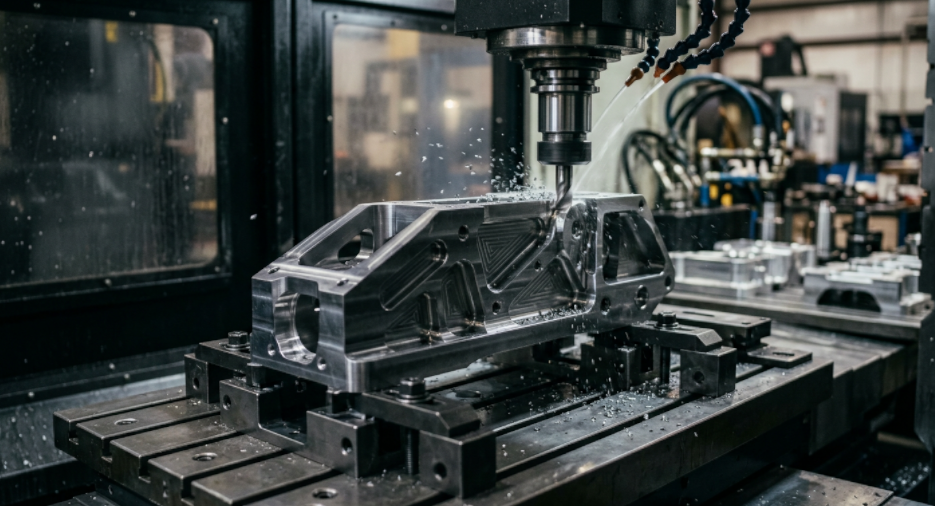
Steel and aluminum components can be cut, formed, welded, and finished according to project drawings and specifications.
The appropriate material, joining method, and finish depend on the required dimensions, loads, environment, and applicable quality standards.
Carpentry and Millwork
Wood and engineered wood products can support custom cabinets, workstations, storage features, display structures, and facility fixtures.
These capabilities may be useful for administrative environments, training spaces, maintenance areas, and presentation facilities.
Fiberglass Fabrication
Fiberglass can be used to produce complex shapes, specialty covers, enclosures, models, and custom components.
Its suitability depends on the required performance, exposure, finish, and project specifications.
Foam Sculpting and CNC Carving
CNC foam carving can create dimensional shapes, models, large-scale replicas, display components, and visual training aids.
Foam products can be coated and finished for appropriate applications, but the selected system must match the intended environment and use.
3D Modeling and Printing
Digital modeling supports the development of custom geometry, component layouts, prototypes, and production planning.
3D printing can be useful for early-stage prototypes, detailed parts, fit checks, and specialty components when the material and manufacturing process are appropriate for the application.
Finishing and Specialty Coatings
Finishing can improve appearance and provide surface protection where required.
Paint systems, coatings, textures, and other treatments should be selected according to the project specifications, operating environment, and maintenance expectations.
The Role of Rapid Prototyping and Development
Not every military-related fabrication project begins with a complete production-ready design.
Some projects start with a concept, preliminary drawing, physical sample, or defined set of requirements that must be developed into a manufacturable product.
A structured development process can include:
- Reviewing the intended application and available specifications.
- Establishing dimensions and material considerations.
- Developing or refining a digital model.
- Producing a prototype or representative sample when appropriate.
- Reviewing fit, form, assembly, and finish.
- Incorporating approved changes.
- Preparing the design for the agreed production process.
Prototyping does not automatically establish that a component meets operational or safety requirements. Any required testing, qualification, certification, or acceptance process must be defined by the responsible project authority.
Understanding Technical and Contract Requirements
Military-related projects may involve requirements that go beyond ordinary commercial fabrication.
Depending on the contract and application, these may include:
- Detailed technical drawings and specifications
- Material and finish requirements
- Dimensional tolerances
- Inspection and acceptance criteria
- Quality documentation
- Traceability requirements
- Packaging and labeling instructions
- Facility-access or security procedures
- Contractual flow-down requirements
- Applicable regulatory or sourcing obligations
Some defense-related work may also involve export-control, cybersecurity, controlled-information, or other compliance obligations.
These requirements are not universal. They must be identified from the actual contract, solicitation, technical documents, and applicable regulations. A fabricator should confirm its ability to meet them before accepting the work.
Why a Multidisciplinary Fabrication Partner Matters
A custom project may require several fabrication methods to produce one finished assembly.
For example, a non-operational training display could combine a metal support frame, custom millwork, CNC-carved forms, fiberglass components, and specialty finishing.
Coordinating these processes requires an understanding of how the individual parts will fit together and how the final product is expected to function.
A fabrication company with multiple capabilities can offer flexibility when evaluating materials, production methods, and design alternatives.
The important consideration is whether the company’s actual equipment, experience, personnel, and quality processes align with the project’s requirements.
Military Fabrication at Statement Fabrication
Statement Fabrication is a Las Vegas-based custom fabrication company offering multiple production disciplines for specialty builds and custom manufacturing projects.
Our capabilities include metal fabrication, welding, carpentry and millwork, fiberglass fabrication, foam sculpting, CNC carving, 3D modeling, 3D printing, and specialty finishing.
This range of capabilities allows our team to approach projects that require custom shapes, multiple materials, specialty components, and coordinated fabrication methods.
We take pride in combining experience, technology, craftsmanship, and execution to turn ideas and technical requirements into finished physical products.
For defense contractors, military-related project teams, and organizations seeking custom fabrication, we welcome the opportunity to review project requirements and determine whether our capabilities are a fit.
Building Custom Solutions for Military-Related Applications
Military fabrication can involve everything from individual custom components to complex specialty structures, assemblies, models, and development projects.
The right approach begins with a clear understanding of the intended application, technical specifications, materials, quality requirements, and production expectations.
Whether a project calls for a specialized structure, custom assembly, training display, prototype, or facility component, a capable fabrication partner can help turn the requirements into a practical manufacturing solution.
Statement Fabrication brings together multiple fabrication disciplines to build custom products for projects that demand creativity, technical capability, craftsmanship, and execution.
Contact Statement Fabrication to discuss your military fabrication requirements.
Frequently Asked Questions
What is military fabrication?
Military fabrication involves producing custom structures, components, assemblies, displays, and specialty products for military-related applications.
What types of products can be custom fabricated?
Projects may include specialty frames, enclosures, equipment supports, fixtures, training displays, models, and custom assemblies.
What materials are used in military fabrication?
Materials may include steel, aluminum, wood, fiberglass, plastics, foam, and specialty coatings, depending on project specifications.
Can military fabrication include rapid prototyping?
Yes. Digital modeling, 3D printing, and other fabrication processes can support prototype development and design evaluation.
What is the difference between military and defense fabrication?
The terms often overlap. Military fabrication generally describes work supporting military applications, while defense fabrication can also include products developed for defense contractors and related programs.
Do military fabrication projects require special certifications?
Some contracts or applications require specific qualifications, registrations, or certifications. Requirements depend on the project and must be verified.
Can a fabrication company work with a defense contractor?
Yes. A fabrication company may serve as a supplier or subcontractor when its capabilities and qualifications meet the applicable contract requirements.
Does Statement Fabrication offer military fabrication capabilities?
Statement Fabrication offers metal fabrication, millwork, fiberglass, foam sculpting, CNC carving, 3D modeling, 3D printing, and specialty finishing for custom projects.