


Every live event has a purpose. A corporate conference may be designed to communicate a company’s vision, a product launch may introduce something new to the market, and a brand activation may encourage attendees to interact with a product or experience.
The physical environment plays an important role in bringing these objectives together. Custom stages, scenic backdrops, branded structures, oversized props, and interactive installations can transform an ordinary venue into an environment built around the event’s creative direction.
Custom live event fabrication makes it possible to create these elements around the specific needs of a production rather than relying entirely on standard rental equipment or premanufactured displays.
From individual fabricated components to elaborate event environments, here are some of the possibilities custom fabrication can bring to live events.
1. Custom Stages and Scenic Backdrops
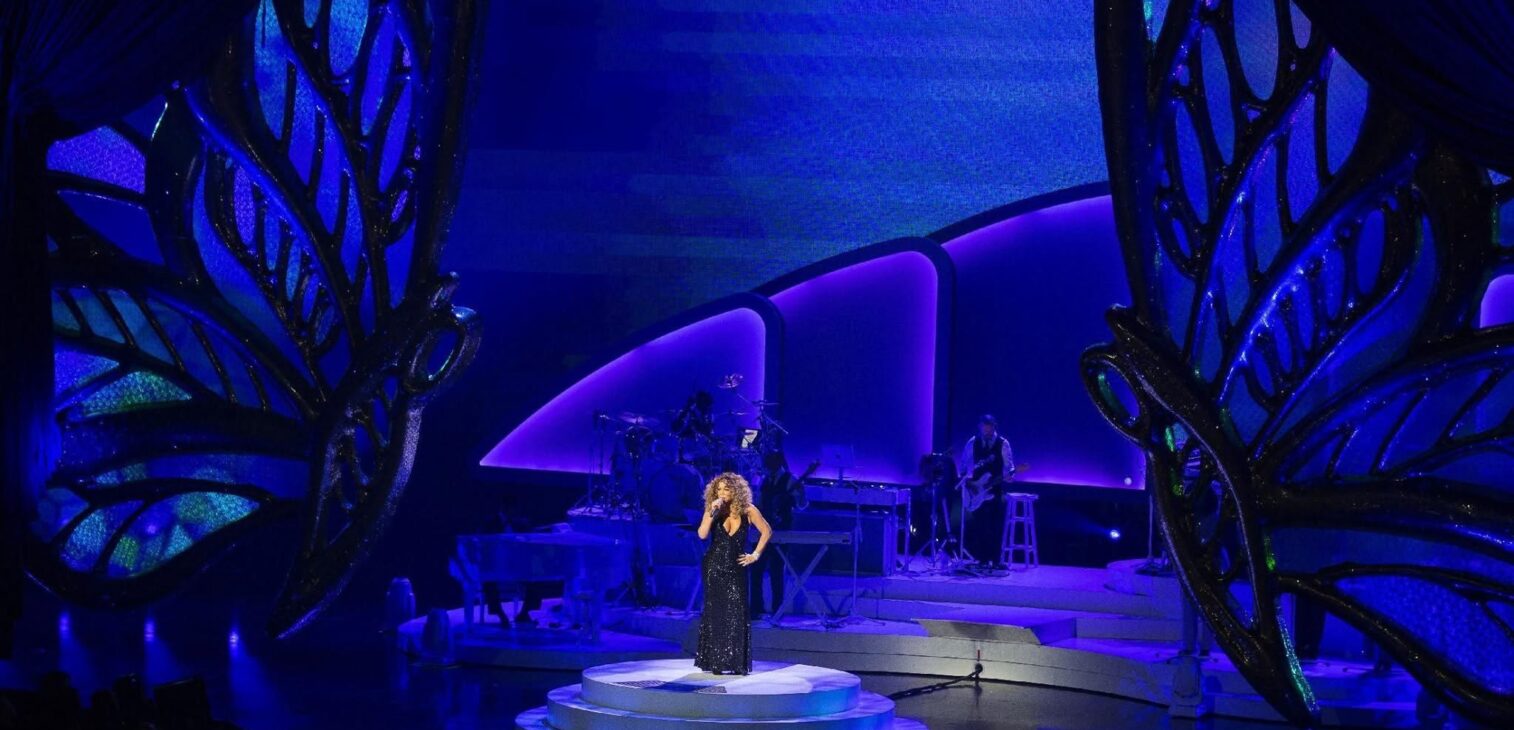
The stage is often the focal point of a live event. It frames speakers, performers, presentations, and other activities while helping establish the visual identity of the production.
Custom-fabricated stage features can include:
- Scenic stage facades
- Branded stage backdrops
- Decorative architectural structures
- Dimensional logos and lettering
- Custom stage surrounds
- Specialty columns and decorative features
- Presentation platforms
- Scenic elements surrounding video displays
The design can range from clean, modern architectural features to elaborate themed scenery.
It is important to distinguish scenic fabrication from the complete stage-production system. Staging, rigging, lighting, audio, video, and structural engineering may involve separate specialized teams. Scenic fabricators produce the custom visual elements that integrate with the larger production.
2. Branded Event Environments
Companies often want their events to reflect their brand beyond the placement of a logo on a banner.
Custom fabrication can help create a more complete branded environment through physical structures, architectural details, materials, finishes, and dimensional features.
Examples include:
- Branded feature walls
- Custom reception areas
- Three-dimensional logos
- Architectural brand installations
- Custom counters and display structures
- Dimensional lettering
- Branded gathering spaces
- Specialty decorative elements
These features can be designed to reflect the company’s visual identity and create consistency throughout the venue.
3. Product Launch Displays and Demonstration Areas
A product launch often needs a physical presentation that makes the product the center of attention.
Custom-fabricated displays can be designed around the product’s size, shape, function, and intended presentation.
Possible applications include:
- Custom product pedestals
- Display platforms
- Specialty product enclosures
- Demonstration counters
- Product presentation stages
- Integrated storage structures
- Custom shelving and cabinetry
- Interactive product stations
Some products require protective enclosures or specialized mounting. Others may need to be positioned for close inspection or live demonstrations.
The display should account for visibility, access, product weight, safety, and how attendees will interact with the product.
4. Oversized Props and Sculptural Features
Large props and sculptures can create memorable focal points within an event environment.
They may represent a brand, communicate a theme, support a product launch, or provide an unexpected visual element that encourages attendees to stop and engage.
Custom fabrication can produce:
- Oversized product replicas
- Giant letters and symbols
- Custom characters and figures
- Sculptural brand elements
- Themed props
- Large decorative objects
- Dimensional logos
- Custom photo-opportunity pieces
Foam sculpting and CNC foam carving are useful for creating large, detailed forms. Fiberglass can provide a more durable finished surface when appropriate, while metalwork, carpentry, and 3D printing can support additional construction and detailing.
5. Interactive Installations and Experiential Features
Some events are designed to encourage participation rather than simply present information.
Custom fabrication can help create physical features that invite attendees to interact with a product, explore an environment, or participate in a branded experience.
Examples include:
- Interactive display structures
- Custom touchscreen housings
- Product demonstration environments
- Specialty photo opportunities
- Branded activity stations
- Immersive scenic installations
- Custom presentation features
- Physical structures designed around digital content
These projects often involve coordination between fabricators, designers, technology providers, and event production teams.
Screens, sensors, lighting, electrical connections, and other equipment should be incorporated into the design early rather than added after fabrication is underway.
6. Custom Bars, Counters, and Hospitality Features
Hospitality spaces are common components of corporate events, special productions, and branded experiences.
Custom fabrication can help create bars, counters, cabinetry, and decorative features that fit the event’s overall design.
Possible applications include:
- Custom event bars
- Reception and registration counters
- Hospitality counters
- Product sampling stations
- Custom shelving
- Storage cabinetry
- Decorative bar facades
- Specialty serving and display structures
Material selection should account for the intended use, expected traffic, cleaning requirements, appearance, and event duration.
7. Themed Environments and Architectural Features
An event may be built around a specific theme, story, brand concept, or visual direction.
Custom scenic fabrication can help transform that creative concept into a physical environment.
This may involve:
- Custom walls and partitions
- Decorative portals and entry features
- Themed architectural elements
- Sculptural installations
- Custom ceiling or overhead features
- Decorative columns
- Specialty structures
- Scenic elements that connect multiple event areas
These pieces can be designed to establish a particular atmosphere and help attendees understand the event’s theme as they move through the space.
8. Custom Signage and Dimensional Branding
Signage is essential for communicating information and reinforcing brand identity throughout an event.
While printed graphics remain useful, dimensional signage and fabricated brand elements can add depth and visual interest.
Custom options include:
- Three-dimensional logos
- Oversized lettering
- Dimensional directional signs
- Branded display structures
- Custom logo walls
- Specialty sign enclosures
- Sculpted brand symbols
- Decorative signage features
These components can be produced from wood, metal, foam, acrylic, fiberglass, and other materials depending on the design and intended use.
9. Metal Fabrication and Specialty Structures
Metal fabrication can support both the functional and decorative elements of a live event.
Custom metal components may include:
- Frames and supports
- Decorative metal panels
- Custom brackets and mounting assemblies
- Specialty display structures
- Metal signage and dimensional features
- Custom platforms and fixtures
- Specialty architectural details
Metal components may also be combined with wood, foam, fiberglass, acrylic, or other materials to produce more complex fabricated elements.
Any structural application should be designed and reviewed appropriately for its intended use. Engineering, anchoring, rigging, and venue approvals may be required depending on the structure.
10. Foam Sculpting, Fiberglass, and Custom Shapes
Some event designs call for shapes and forms that cannot be produced efficiently using standard construction materials.
Foam sculpting and CNC foam carving allow fabricators to create custom shapes, large props, dimensional lettering, and detailed decorative elements.
Fiberglass fabrication can be used to create specialty forms and more durable finished surfaces where the application requires them.
These processes are particularly useful for:
- Large sculptural pieces
- Custom characters
- Oversized replicas
- Decorative architectural shapes
- Branded objects
- Themed props
- Specialty display components
The appropriate process depends on the desired appearance, dimensions, weight, handling, and expected lifespan.
11. 3D Modeling and Large-Format 3D Printing
Digital design and 3D printing can expand the range of custom shapes and components available for event fabrication.
Three-dimensional modeling allows designers and fabricators to evaluate concepts, proportions, dimensions, and component relationships before production begins.
3D printing can be useful for:
- Custom decorative details
- Specialty shapes
- Prototype components
- Dimensional logos
- Complex forms
- Small production parts
- Components that integrate with larger fabricated pieces
For larger projects, 3D-printed details can be combined with traditional fabrication methods to create complete structures and scenic elements.
12. Combining Multiple Fabrication Processes
Many custom event builds require several different materials and production methods.
For example, a branded centerpiece might combine a metal support structure, a custom wood base, CNC-carved foam shapes, fiberglass surfaces, 3D-printed details, and specialty paint finishes.
Coordinating these processes requires attention to dimensions, connections, surface preparation, finishing, and production sequencing.
Working with a fabrication partner that offers multiple capabilities can help simplify this coordination and create more flexibility when developing complex concepts.
Designing for the Venue and Event Schedule
A fabricated element must be practical for the environment where it will be used.
Before production begins, the team should consider:
- Venue dimensions and access restrictions
- Ceiling heights and overhead clearances
- Loading dock and freight elevator limitations
- Assembly and disassembly requirements
- Transportation and packaging
- Electrical and technology integration
- Expected attendee traffic
- Environmental conditions for outdoor events
- Reuse and storage requirements
The event schedule is equally important. Design approvals, fabrication, finishing, transportation, and any required assembly must be coordinated around the event date.
Delivery, installation, and on-site services should be clearly defined in the project scope rather than assumed to be included.
Custom Live Event Fabrication at Statement Fabrication
Statement Fabrication is a Las Vegas-based custom fabrication company producing specialty structures, displays, scenic elements, and custom environments.
Our capabilities include metal fabrication, carpentry and millwork, fiberglass fabrication, custom foam sculpting, CNC processes, 3D modeling, and large-format 3D printing.
Having these capabilities available within one fabrication operation allows us to approach a wide range of projects involving different materials, unusual shapes, and specialized construction methods.
Our work spans entertainment, hospitality, exhibits, and other custom production environments. We enjoy collaborating with creative teams, agencies, event producers, and businesses that need something beyond standard displays or off-the-shelf products.
Whether you need a custom stage feature, an oversized prop, a branded installation, or a collection of specialty fabricated components, Statement Fabrication can help turn the concept into a physical build.
Frequently Asked Questions About Custom Live Event Fabrication
What can a live event fabrication company build?
Custom stages, scenic backdrops, branded structures, counters, product displays, props, sculptures, and specialty event environments.
Can you build custom stages for corporate events?
Fabricators can produce scenic stage features, backdrops, facades, and decorative structures designed around corporate presentations and events.
Can custom event displays include technology?
Yes. Structures can be designed to accommodate screens, lighting, interactive equipment, and other integrated technology.
Can you create oversized props and product replicas?
Yes. Foam carving, fiberglass, metalwork, carpentry, and 3D printing can support large custom props and replicas.
What materials are used for custom event fabrication?
Common materials include wood, metal, aluminum, foam, fiberglass, acrylic, plastics, and 3D-printed components.
Can custom event environments be reused?
Yes. Reuse can be planned through modular construction, material selection, durable finishes, and appropriate assembly methods.
Can a fabricator work from renderings?
Yes. Many fabricators can work from renderings, drawings, reference images, and specifications to develop and produce custom components.
Does event fabrication include installation?
Installation, delivery, assembly, and on-site support depend on the project requirements and agreed scope of work.
Let’s Build Your Next Event
The most memorable events often feature something attendees have never seen before. Custom fabrication gives creative teams the flexibility to turn those ideas into physical structures, displays, and environments.
If you’re planning a corporate event, product launch, brand activation, conference, or specialty production, contact Statement Fabrication.
Send us your drawings, renderings, or initial concepts. Let’s discuss how we can help bring your next event to life.
Statement Fabrication — We Build Statements.