


What Can Custom Fabrication Bring to a Restaurant?
Every restaurant has a story to tell. Its layout, materials, furniture, architectural details, and decorative features all contribute to the atmosphere guests experience.
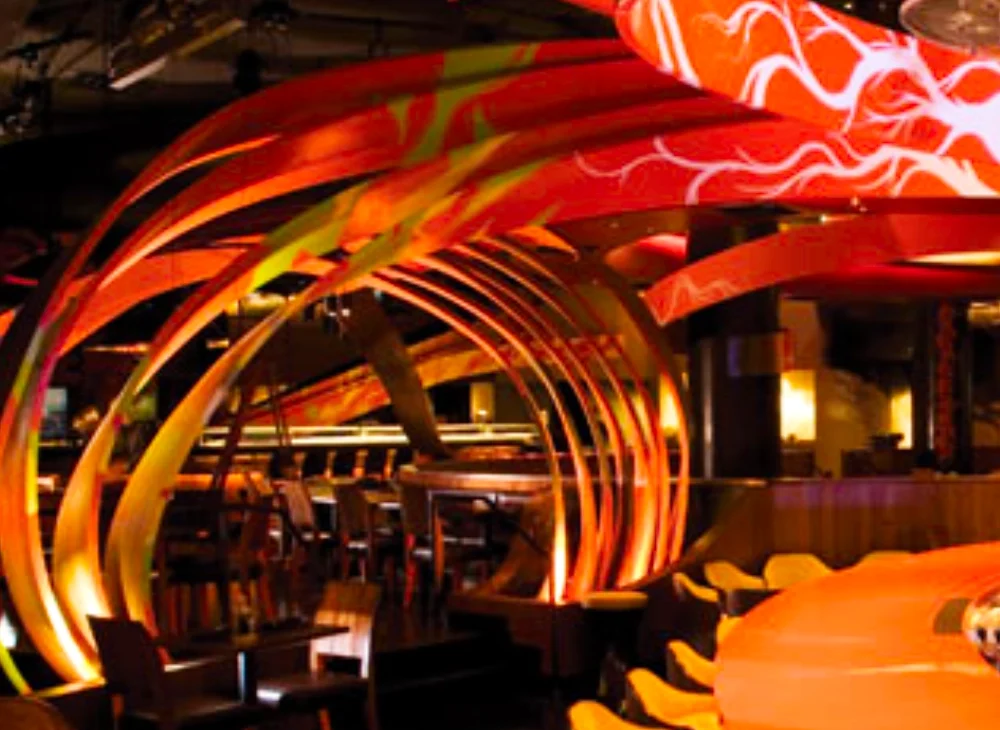
Some restaurants aim for a warm and welcoming environment. Others create bold, modern spaces built around dramatic architectural features, distinctive bars, oversized artwork, or immersive design elements.
Bringing these concepts to life often requires custom fabrication.
Custom fabrication allows restaurant owners, architects, interior designers, and hospitality groups to create features that are designed specifically for their space. Rather than being limited to standard products, they can explore unique dimensions, materials, shapes, finishes, and combinations of manufacturing techniques.
From custom bars and host stands to sculptural installations and branded displays, the applications are extensive.
Here are some of the ways custom fabrication can help transform restaurant interiors, exteriors, and guest environments.
1. Custom Bars and Beverage Service Features
The bar is often one of the most visually prominent elements in a restaurant. It can serve as a focal point, gathering place, and defining feature of the overall interior.
Custom fabrication makes it possible to create a bar around the restaurant’s exact design and functional requirements.
Potential applications include:
- Custom metal bar fronts.
- Decorative bar panels.
- Specialty counter structures.
- Custom shelving and display supports.
- Branded bar features.
- Unique geometric or sculptural details.
- Integrated decorative metalwork.
- Custom frames and support structures.
A custom bar may combine metal fabrication, millwork, specialty finishes, and other materials to create a cohesive feature.
The design should also account for practical considerations such as service access, equipment dimensions, cleaning, durability, and coordination with the restaurant’s construction and equipment teams.
2. Host Stands and Reception Features
The entrance sets the tone for the guest experience.
A custom host stand or reception feature can introduce the restaurant’s design language through materials, branding, shape, and detailing.
Examples include:
- Custom reception counters.
- Branded host stations.
- Decorative metal bases.
- Specialty wood and millwork features.
- Dimensional logo installations.
- Integrated shelving and storage.
- Sculptural reception elements.
Because these features are often located near the entrance, they can provide an opportunity to create a strong first impression while supporting the practical needs of restaurant staff.
3. Feature Walls and Architectural Installations
Feature walls can add depth, texture, and visual interest to restaurant interiors.
Custom fabrication allows designers to move beyond standard wall coverings and explore dimensional elements built specifically for the space.
Possible applications include:
Dimensional Metal Walls: Custom-cut panels, layered metal features, and decorative metal structures.
Architectural Millwork: Wood panels, custom trim, dimensional wall features, and specialty built-ins.
Sculptural Installations: Three-dimensional shapes, decorative objects, and artistic features.
Branded Wall Displays: Dimensional logos, custom lettering, and branded architectural elements.
Mixed-Material Features: Combinations of wood, metal, fiberglass, and specialty materials.
The finished feature can be designed as a subtle architectural accent or a major focal point within the dining area.
4. Custom Sculptures and Decorative Displays
Restaurants often use decorative elements to establish personality and create memorable spaces.
Custom sculptures and displays can help support a particular theme, visual identity, or design concept.
Examples include:
- Oversized decorative objects.
- Custom sculptural forms.
- Themed installations.
- Three-dimensional branded displays.
- Decorative props and specialty features.
- Large-scale wall sculptures.
- Freestanding artistic installations.
Foam sculpting, robotic CNC foam carving, fiberglass fabrication, metalwork, and other processes can be used depending on the desired form and application.
These capabilities are especially useful when a design calls for an unusual shape, exaggerated proportions, or a feature that cannot be purchased as a standard product.
5. Custom Millwork, Cabinetry, and Built-In Features
Millwork is an important part of many restaurant environments. It provides both functional storage and opportunities for distinctive architectural detailing.
Custom millwork applications may include:
- Host stands and reception counters.
- Custom cabinetry.
- Built-in shelving.
- Decorative wall panels.
- Service counters.
- Display cases and niches.
- Custom partitions.
- Specialty seating components.
Custom millwork can be designed around a restaurant’s dimensions, equipment, storage needs, and overall design concept.
Combining millwork with metal fabrication can also create distinctive features, such as wood counters with custom metal bases, decorative metal trim, or integrated structural supports.
6. Branded Features and Dimensional Displays
A restaurant’s brand can be incorporated into its physical environment through custom fabricated displays and architectural elements.
Rather than relying only on printed graphics, a dimensional installation can give a brand a more substantial physical presence.
Applications include:
- Three-dimensional logo displays.
- Custom dimensional lettering.
- Branded reception features.
- Decorative logo walls.
- Product displays.
- Themed architectural elements.
- Custom photo opportunities.
- Specialty signage structures.
These features can be especially valuable for restaurant groups, hospitality brands, and locations that want a recognizable visual identity across multiple spaces.
7. Custom Partitions, Screens, and Space Dividers
Restaurants frequently need to balance openness with privacy and separation.
Custom partitions and screens can help define different areas without making the space feel disconnected.
Possible solutions include:
- Decorative metal screens.
- Custom wood partitions.
- Specialty divider panels.
- Architectural frames.
- Patterned or laser-cut panels.
- Freestanding decorative structures.
These elements can be designed to complement the restaurant’s interior while supporting the intended layout and guest experience.
Their design should account for stability, accessibility, cleaning, and any applicable building or safety requirements.
8. Exterior Features and Outdoor Dining Elements
A restaurant’s exterior can be just as important as its interior.
Custom fabricated entrance features, decorative structures, and outdoor elements can help establish a distinctive appearance and improve the visual connection between the building and its brand.
Applications may include:
- Custom entrance features.
- Decorative metal screens.
- Branded exterior installations.
- Custom planters and display structures.
- Architectural accents.
- Outdoor service features.
- Specialty shade or support structures.
Exterior fabrication requires careful consideration of weather exposure, material selection, coatings, maintenance, and local building requirements.
9. Specialty Foam Sculpting and CNC Carving
Foam sculpting provides an opportunity to create shapes and forms that may be difficult or expensive to produce using conventional fabrication methods.
With CNC foam carving, digital designs can be translated into physical forms through computer-controlled cutting and shaping.
Restaurant applications may include:
- Large decorative sculptures.
- Themed objects and props.
- Custom dimensional lettering.
- Decorative architectural forms.
- Oversized branded elements.
- Specialty display features.
Depending on the intended application, foam elements may require coatings, reinforcement, finishing, or integration with other fabricated components.
10. Fiberglass and Custom Formed Features
Fiberglass fabrication is useful for producing custom shapes, curved surfaces, and specialty components.
It can support restaurant projects that call for sculptural features, decorative forms, covers, and custom enclosures.
Potential applications include:
- Sculptural decorative elements.
- Custom formed panels.
- Specialty display components.
- Decorative housings.
- Themed features.
- Custom architectural shapes.
Fiberglass can also be combined with metal frameworks, foam forms, and other fabrication processes to create more complex finished pieces.
11. 3D Modeling and Prototyping Before Fabrication
Custom restaurant features often begin as sketches, reference images, renderings, or architectural plans.
3D modeling can help translate those concepts into a more detailed digital representation before manufacturing begins.
A digital model can help teams:
- Visualize the proposed feature.
- Review dimensions and proportions.
- Evaluate how components fit together.
- Coordinate design details.
- Identify potential fabrication challenges.
- Communicate design intent.
3D printing can then produce physical models or prototypes when a hands-on review would be useful.
This can be especially helpful for complex shapes, specialty components, and custom features that require careful coordination.
12. How Multiple Fabrication Disciplines Create Better Possibilities
Some of the most interesting restaurant features are not made from a single material or manufacturing process.
A custom decorative bar, for example, might combine a fabricated metal frame, custom millwork, decorative panels, and specialty sculpted elements.
A large branded installation could involve 3D modeling, CNC foam carving, fiberglass, metal supports, and finishing.
When several fabrication disciplines are coordinated, designers have more flexibility to explore complex concepts.
A multidisciplinary fabrication partner can help evaluate how those different processes fit together and how the final product should be constructed.
Why Statement Fabrication for Restaurant Projects?
Statement Fabrication is a Las Vegas-based custom fabrication company with a broad range of manufacturing and specialty fabrication capabilities.
Our team works across metal fabrication, welding, carpentry and millwork, fiberglass, foam sculpting, CNC cutting, 3D modeling, and 3D printing.
This combination allows us to support a wide variety of restaurant-related projects, including:
- Custom bars and counters.
- Host stands and reception features.
- Architectural details and feature walls.
- Custom metal structures and decorative panels.
- Sculptures and specialty installations.
- Branded displays and dimensional features.
- Custom millwork and cabinetry.
- Fiberglass and sculpted elements.
- Specialty fixtures and fabricated assemblies.
We enjoy working with projects that require creativity, problem-solving, and multiple fabrication disciplines. Our team can review the concept, evaluate the materials and processes involved, and determine how to approach the build.
Whether you’re developing a new restaurant, renovating an existing location, or creating a signature feature for a hospitality environment, Statement Fabrication can help explore the possibilities.
Frequently Asked Questions About Custom Restaurant Fabrication
What types of custom features can be fabricated for restaurants?
Common projects include custom bars, host stands, feature walls, decorative sculptures, partitions, millwork, branded displays, and specialty fixtures.
Can custom fabrication create unique restaurant interiors?
Yes. Custom fabrication allows designers to create architectural features, displays, furniture components, and decorative elements tailored to a specific restaurant concept.
Can a fabricator build custom restaurant furniture?
Fabricators can produce custom furniture components, table bases, frames, counters, shelving, and specialty fixtures, depending on their capabilities.
What is the benefit of CNC foam carving for restaurant projects?
CNC foam carving can produce detailed sculptures, oversized decorative objects, themed props, and custom dimensional features.
Can fiberglass be used for restaurant displays and sculptures?
Yes. Fiberglass can be used for custom shapes, sculptural elements, decorative features, and specialty formed components, depending on the application.
Can custom fabrication incorporate a restaurant’s logo?
Yes. Logos can be incorporated into dimensional displays, architectural features, custom signage structures, and decorative installations.
Can custom features be fabricated for restaurant renovations?
Yes. Custom elements can be designed around existing spaces, dimensions, architecture, and updated design concepts.
Does Statement Fabrication offer multiple fabrication capabilities?
Statement Fabrication offers metal fabrication, welding, millwork, fiberglass, foam sculpting, CNC cutting, 3D modeling, and 3D printing for a range of custom projects.
Let’s Build Something Unique
Restaurant environments are an opportunity to create something memorable. From a distinctive bar or feature wall to a large-scale sculpture or custom branded installation, the right fabricated elements can help bring a concept to life.
Statement Fabrication combines creativity, craftsmanship, technology, and multiple fabrication disciplines to help turn ambitious ideas into finished products.
Have a restaurant feature or custom installation in mind? Contact Statement Fabrication to discuss your project and see what we can build together.
Statement Fabrication — We Build Statements.