



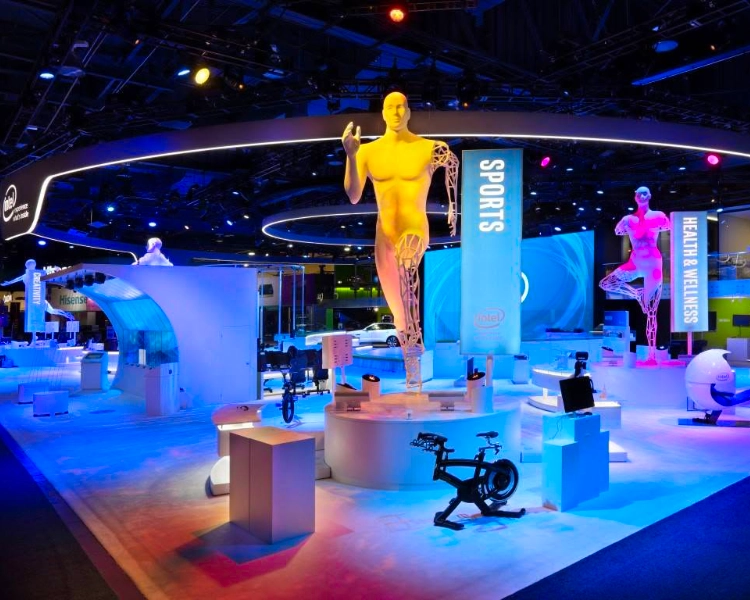
Create Exhibitions That Educate, Inspire, and Captivate
Museums and exhibitions give people opportunities to explore history, discover new ideas, appreciate art, and experience subjects in ways that go beyond reading or observation alone. Behind many compelling exhibitions is a carefully designed physical environment that guides visitors through a story, highlights important objects, and makes complex information easier to understand.
Custom exhibit fabrication brings these environments to life. Through purpose-built display cases, dimensional models, sculptural elements, interactive installations, and architectural features, fabricators help museums, cultural institutions, and exhibition designers turn creative concepts into tangible experiences.
Effective museum and exhibition fabrication combines visual storytelling, craftsmanship, functionality, and thoughtful visitor engagement. Every physical element should serve a purpose, whether that means protecting an artifact, illustrating a scientific principle, recreating a historical setting, or encouraging visitors to explore a subject more deeply.
At Statement Fabrication, we help transform ambitious creative concepts into physical builds through custom fabrication, specialty materials, and a broad range of manufacturing capabilities.
What Is Museum and Exhibition Fabrication?
Museum and exhibition fabrication is the process of designing, engineering, and manufacturing the physical components used in museum galleries, educational exhibits, traveling exhibitions, cultural displays, and public installations.
Unlike standard display products, custom-fabricated exhibits can be developed around a specific narrative, collection, audience, space, and set of functional requirements.
Depending on the exhibition, fabrication may include:
- Custom display structures: Pedestals, display platforms, dimensional signage, display walls, and architectural features.
- Artifact presentation components: Purpose-built mounts, display enclosures, and supports developed in coordination with conservators and exhibition specialists.
- Historical reproductions and replicas: Sculptures, reconstructed objects, architectural details, and representative models that help visitors visualize the past.
- Scientific and educational exhibits: Physical models, cutaways, demonstration stations, and interactive components that explain complex subjects.
- Immersive environments: Scenic structures, themed settings, and fabricated elements that place visitors within a particular story or setting.
- Sculptural and artistic installations: Large-format dimensional objects, specialty forms, and custom-built features that support an exhibition’s creative direction.
- Interactive exhibit components: Physical elements designed for visitor participation, exploration, or hands-on learning.
Each project requires a different balance of aesthetics, durability, accessibility, safety, and interpretive goals.
Why Custom Fabrication Matters for Museums and Exhibitions
An exhibition is more than a collection of objects arranged in a room. Its physical design influences what visitors notice, how they move through the space, and how effectively they understand the information being presented.
1. Turn Complex Ideas Into Tangible Experiences
Some subjects are difficult to communicate through text and photographs alone. A large-scale anatomical model, an architectural reconstruction, or a mechanical cutaway can make abstract or complicated information easier to explore.
Custom fabrication gives exhibition designers the flexibility to create physical representations tailored to the subject and intended audience.
2. Bring Historical and Cultural Stories to Life
Historical settings, dimensional reproductions, sculptural features, and carefully fabricated scenic elements can help visitors visualize a different time or place.
These physical details can support storytelling while helping distinguish one section of an exhibition from another. When historical accuracy matters, fabrication should be guided by appropriate research, reference materials, and subject-matter expertise.
3. Improve Visitor Engagement
Visitors interact with exhibitions in different ways. Some prefer to observe objects, while others benefit from hands-on demonstrations, physical models, or interactive learning features.
Custom-fabricated components can support a variety of engagement methods, from accessible viewing platforms to tactile learning stations and interactive physical installations.
The best approach depends on the exhibition’s audience, educational objectives, accessibility requirements, and maintenance capabilities.
4. Create a Cohesive Exhibition Design
Museum exhibitions often bring together artifacts, graphics, lighting, audiovisual systems, and interpretive content. Custom fabrication helps these different elements work together within a consistent physical design.
Display heights, materials, finishes, proportions, and transitions between exhibit sections all influence how visitors experience the overall space.
5. Support Long-Term Use and Traveling Exhibitions
Some museum installations remain in place for years, while others travel between institutions or venues. These different uses affect material selection, construction methods, and component design.
Permanent installations may prioritize durability, maintainability, and integration with the surrounding architecture. Traveling exhibitions may require modular construction, protective packaging, manageable component sizes, and repeatable assembly.
Considering these needs early can help improve the practicality and lifespan of the finished exhibit.
Types of Museums and Exhibitions That Use Custom Fabrication
Custom exhibit fabrication supports a broad range of institutions, subject areas, and visitor experiences.
History and cultural museums
Reconstructed environments, architectural details, historical replicas, custom display structures, and dimensional storytelling elements can help communicate cultural heritage and historical events.
Science and technology museums
Physical demonstrations, mechanical models, interactive components, and enlarged representations can help explain scientific principles and technological developments.
Natural history museums
Custom scenic environments, sculptural elements, specimen display supports, and dimensional models can help interpret geology, ecology, paleontology, and the natural world.
Art museums and galleries
Purpose-built pedestals, specialty display structures, sculptural installations, and custom architectural features can support the presentation of artwork and curated collections.
Children’s museums and educational exhibitions
Durable, accessible, and appropriately designed interactive exhibits can encourage exploration and hands-on learning for younger visitors.
Traveling and temporary exhibitions
Modular displays, custom-built structures, specialty props, and transport-conscious components can help institutions present exhibitions across multiple locations.
Corporate museums and visitor centers
Custom exhibits can communicate an organization’s history, innovations, manufacturing processes, achievements, and mission through physical displays and interactive storytelling.
From Exhibition Concept to Finished Installation
Museum and exhibition projects typically involve collaboration among curators, exhibition designers, architects, educators, conservators, project managers, and fabricators.
A typical fabrication process includes the following stages:
- Exhibition planning: Establish the subject, narrative, audience, space, budget, schedule, and functional requirements.
- Concept development: Translate the interpretive plan and creative direction into proposed display structures, models, scenic elements, and visitor interactions.
- Engineering and coordination: Develop construction details, evaluate materials, confirm dimensions, and coordinate with other exhibit systems and specialists.
- Fabrication and assembly: Manufacture the required components using appropriate woodworking, metalworking, CNC machining, sculpting, printing, and finishing techniques.
- Finishing and quality review: Complete surface treatments, paint, textures, graphics integration, and checks against the approved design.
- Installation preparation: Plan packaging, transport, assembly, access, and coordination with the institution or installation team.
Some projects may also require prototyping, accessibility reviews, environmental testing, or specialized approval processes before installation.
For exhibits involving historic artifacts, sensitive collections, or valuable objects, the fabricator should coordinate with qualified conservators and collection specialists to ensure that display supports, materials, and installation methods meet the project’s preservation requirements.
Materials and Techniques Used in Museum Exhibit Fabrication
Museums and exhibitions frequently combine multiple materials and fabrication methods to achieve a specific visual result while meeting functional requirements.
- Carpentry and custom millwork: Creates display cabinets, platforms, walls, cabinetry, and architectural exhibit components.
- Metal fabrication: Supports structural frames, specialty mounts, custom brackets, and durable display structures.
- CNC machining: Produces accurately cut panels, dimensional components, repeatable shapes, and complex fabricated parts.
- Foam sculpting and CNC foam carving: Creates lightweight models, scenic elements, sculptural forms, and historical or educational reproductions.
- Fiberglass fabrication: Supports complex shapes, durable sculptural components, and specialty shells.
- 3D printing: Enables detailed models, prototypes, small-scale reproductions, and complex geometries.
- Specialty finishing: Adds paint, textures, coatings, and surface treatments that help components fit the exhibition’s design.
Material selection should consider the object’s intended use, expected visitor contact, cleaning requirements, durability, weight, fire performance, and environmental conditions.
For collections and artifact displays, material suitability may also require specialist evaluation for chemical emissions, off-gassing, corrosion, and long-term preservation compatibility. Not every material or finish is appropriate for direct contact with sensitive objects.
What to Consider When Planning a Museum or Exhibition Project
Successful exhibitions balance creative storytelling with practical requirements. Addressing these considerations early can help prevent design changes and improve the finished visitor experience.
- Interpretive objectives: What should visitors learn, understand, or experience?
- Audience needs: Will the exhibition serve children, families, researchers, tourists, or a general public audience?
- Space and visitor flow: How will people move through the exhibition, view objects, and interact with displays?
- Accessibility: Consider viewing heights, circulation space, reach ranges, and inclusive interaction opportunities.
- Artifact protection: Determine whether specialist mounts, secure enclosures, environmental controls, or conservation-approved materials are required.
- Durability and maintenance: Establish how often the exhibit will be used, cleaned, inspected, or updated.
- Transportation and installation: Determine whether components must fit through access routes, ship between venues, or be assembled within a limited installation window.
- Budget and schedule: Allow sufficient time for research, design approvals, engineering, prototyping, fabrication, finishing, and installation.
Early coordination between the design team and fabricator can help turn ambitious exhibition concepts into practical, buildable solutions.
Museum and Exhibition Fabrication by Statement Fabrication
Statement Fabrication is a Las Vegas, Nevada-based custom fabrication company specializing in complex, visually distinctive physical builds.
Our capabilities include 3D modeling and printing, metal fabrication, carpentry and millwork, fiberglass fabrication, and custom foam sculpting. These disciplines allow us to produce a variety of custom exhibit components, from dimensional models and sculptural forms to architectural display elements and specialty-finished structures.
We work to help designers, creative agencies, institutions, and project teams translate their concepts into physical components that align with the exhibition’s visual direction and production requirements.
Whether a project calls for a custom educational model, a distinctive sculptural display, a themed historical element, or a collection of fabricated exhibit structures, the approach should be tailored to the subject, space, audience, and intended lifespan.
Projects involving conservation-sensitive artifacts, specialized exhibit electronics, or museum-specific environmental requirements may also require coordination with qualified specialists.
Planning a museum exhibition or custom display? Contact Statement Fabrication to discuss your concept, materials, production requirements, and fabrication needs.
Frequently Asked Questions About Museum and Exhibition Fabrication
What is museum exhibit fabrication?
Museum exhibit fabrication is the process of manufacturing custom display structures, models, replicas, interactive components, and scenic elements for museum and educational exhibitions.
What can a museum exhibit fabricator build?
A fabricator may produce display pedestals, dimensional signage, architectural features, sculptural elements, historical reproductions, educational models, and custom-built interactive components.
What materials are used in museum exhibits?
Common options include wood, metal, foam, fiberglass, plastics, and 3D-printed components. Material choices depend on durability, appearance, visitor interaction, and preservation requirements.
Can custom fabrication support interactive educational exhibits?
Yes. Custom fabrication can produce physical models, demonstration stations, hands-on components, and other structures that support educational and interactive experiences.
Can museum exhibits be designed for traveling exhibitions?
Yes. Components can be designed for modular assembly, transport, protective packaging, and repeated installation when those requirements are incorporated into the design.
How do fabricators handle historic or fragile artifacts?
Fabricators should coordinate with conservators and collection specialists to develop appropriate supports, display structures, materials, and installation methods for sensitive objects.
How early should a museum involve an exhibit fabricator?
Involving a fabricator during concept development helps evaluate construction methods, material suitability, dimensions, budget, schedule, and coordination with other exhibit systems.
Does Statement Fabrication design and build complete museum exhibitions?
Statement Fabrication provides custom fabrication capabilities for exhibit components and physical installations. Curatorial planning, interpretation, conservation, specialized electronics, and complete installation services should be defined according to the project’s scope.
Bring Your Exhibition Concept to Life
A well-crafted exhibition helps transform information into something visitors can see, explore, and remember. Custom fabrication gives designers and institutions the freedom to create physical displays that support storytelling, communicate complex subjects, and make each exhibition distinctive.
From detailed educational models to large sculptural installations and custom-built display structures, the right fabrication approach can help turn an exhibition concept into a tangible reality.
Statement Fabrication helps bring ambitious exhibit concepts to life through custom-built displays, models, structures, and specialty fabrication. Contact our team to discuss your next project.